Wondering whether a newer home or an older one makes more sense in Hudson, MA? You are not alone. Many buyers in Hudson end up choosing between established homes with character and newer properties that may feel more turnkey, and the right answer depends on your budget, your tolerance for projects, and the kind of daily living experience you want. This guide will help you compare both options in practical terms so you can move forward with more confidence. Let’s dive in.
Hudson housing context
Hudson is a compact Middlesex County town with about 20,077 residents spread across 11.5 square miles. Census Reporter estimates the median age at 42.9 and the estimated median value of owner-occupied homes at $496,800. The town’s housing plan also notes that about 72% of occupied units were owner-occupied in 2020, which helps explain the stable, owner-focused feel many buyers notice.
Hudson’s housing stock leans older overall. The town’s 2025-2030 Housing Production Plan says a significant share of homes were built before 1940, with additional development from 1940 to 1959 and a notable increase from 1960 to 1980. In simple terms, that means your home search in Hudson will likely include a lot of established properties, with newer homes appearing more selectively.
The town also has a clear physical pattern. The downtown core is described as a compact historic area with strong New England character, while much of the rest of town is zoned for single-family homes on 30,000- to 60,000-square-foot lots. Residential areas near commercial and industrial districts may also experience more noise, traffic, or visual activity, which is worth keeping in mind as you compare locations.
Older Hudson homes: what to expect
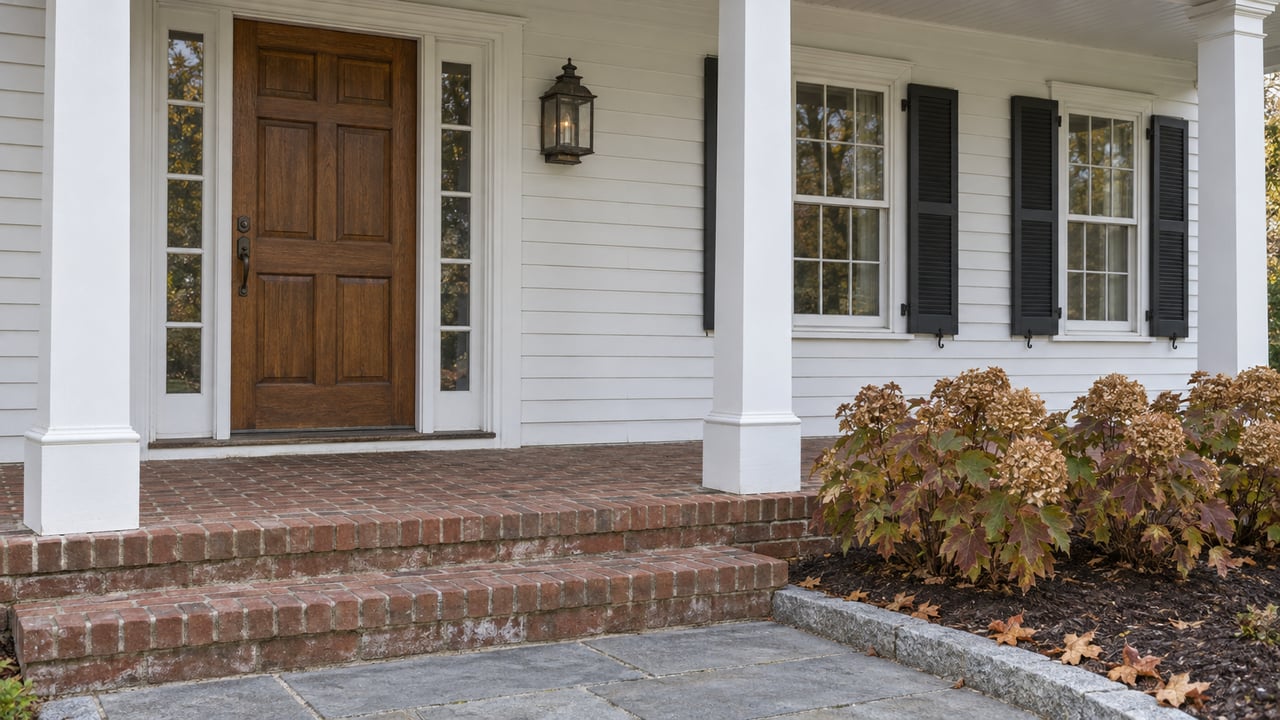
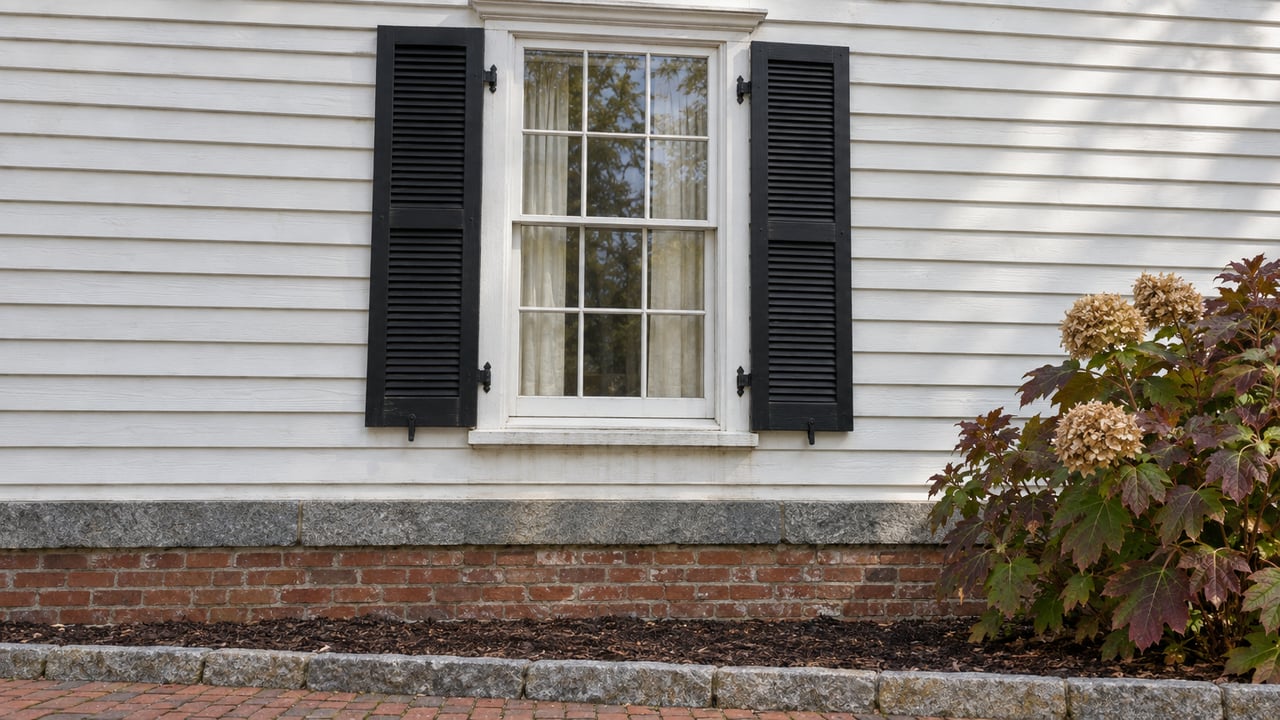
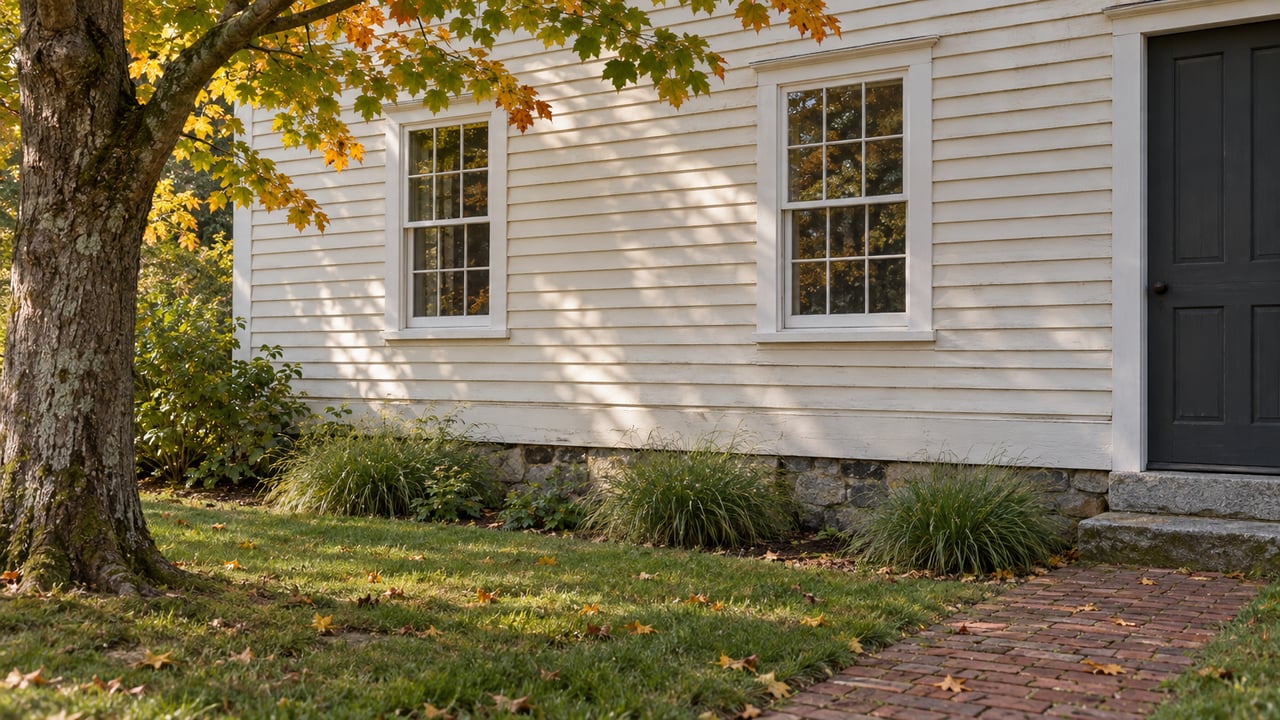
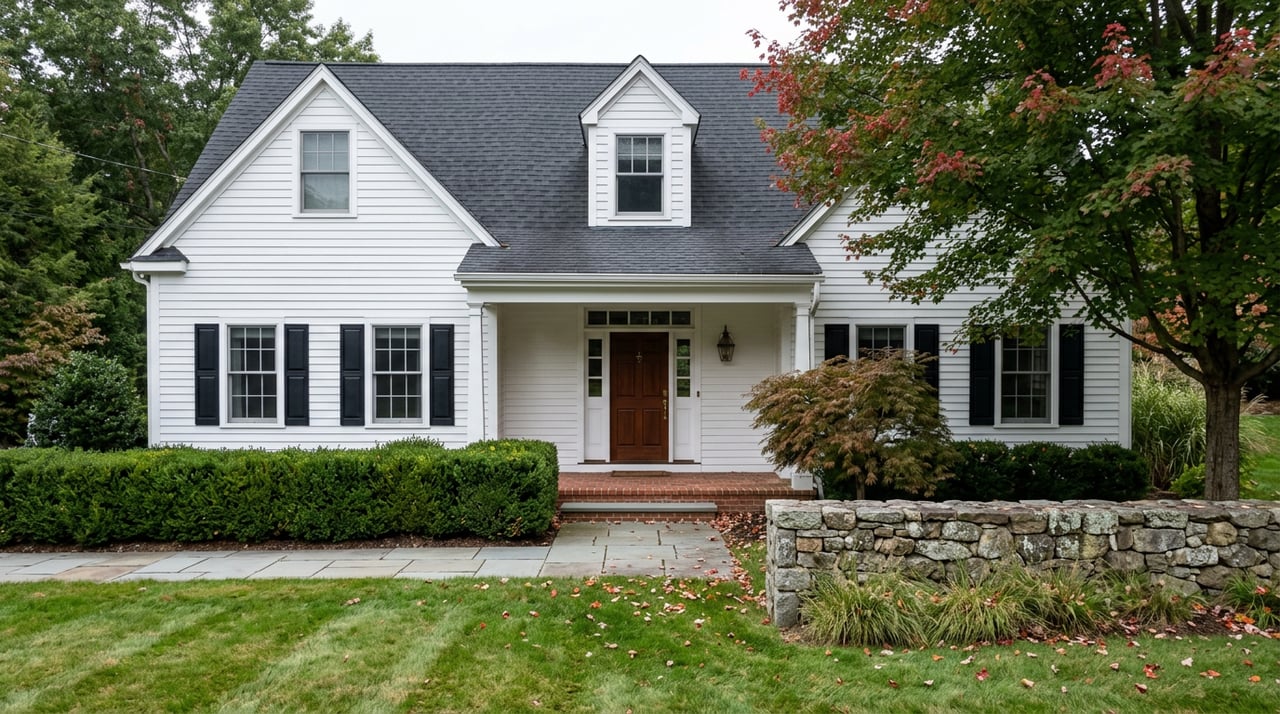
Older homes in Hudson often attract buyers who want established neighborhoods, mature trees, and a more traditional streetscape. If you like the feel of a long-settled area and a classic New England setting, older homes may be where your search naturally leads.
Layout is one of the biggest practical differences. Because much of Hudson’s older housing stock is made up of modest pre-1940 single-family homes, many older properties may feel more divided into separate rooms rather than one large open living space. That is not true of every home, but it is a common pattern buyers notice.
Older homes can also come with more maintenance questions. Over time, systems, finishes, and structural components may have been updated in phases, which means one part of the house may feel refreshed while another still needs attention. That makes inspections and permit history especially important.
Benefits of older homes
Older homes may be a good fit if you value:
- Established neighborhoods
- Mature landscaping and trees
- Traditional home design
- Locations closer to Hudson’s historic core
- The opportunity to personalize over time
Common trade-offs with older homes
The biggest trade-off is usually upkeep. An older home can offer charm and location, but it may also require more planning for repairs, energy improvements, or future updates.
For Hudson buyers, lead paint should be high on the checklist in pre-1978 homes. Massachusetts requires property transfer lead paint notification, and this matters even more in a town with a large share of older housing. According to Mass.gov, buyers have the right to know about lead-based paint and related hazards before signing, and homes built before 1940 are especially likely to contain some lead-based paint.
If a home has been renovated over time, you should also ask what work was permitted and whether permits were properly closed. Hudson’s Building Department says permits are required for most construction, alterations, repairs, removals, and demolitions, and open permits must pass final inspection before closure.
Newer Hudson homes: what to expect
Newer homes in Hudson can offer a different kind of appeal. The town’s housing plan says newer single-family homes built over the past decade have generally been placed on larger lots, and those homes are typically more expensive than older construction.
For many buyers, newer homes feel simpler on day one. You may get more modern layouts, more flexible living areas, and systems that are newer in age. That can mean fewer immediate projects, although it does not mean zero future costs.
Energy performance is another key difference. Massachusetts building energy codes are designed to make new construction more energy efficient, so newer homes generally start from a stronger baseline than many older properties. That can make a meaningful difference if you want to manage heating and cooling costs over time.
Benefits of newer homes
Newer homes or substantially renovated homes may appeal to you if you want:
- More turnkey condition
- Larger lots in some cases
- More modern floor plans
- Newer systems and materials
- A stronger efficiency baseline
Common trade-offs with newer homes
The clearest trade-off is price. In Hudson, newer homes are generally more expensive than older ones, especially when they sit on larger lots or offer recent construction features buyers are competing for.
You should also avoid assuming that “newer” means every major need is covered. If you are looking at a renovated property rather than brand-new construction, the real question is what was actually replaced. Cosmetic finishes matter less than whether the roof, windows, insulation, plumbing, electrical, drainage, and other core systems were updated to current standards.
How to compare older vs newer homes
The best choice usually comes down to your priorities. In Hudson, the decision is often less about which type is objectively better and more about what trade-offs fit your lifestyle, finances, and comfort level.
Here is a simple side-by-side comparison:
| Factor | Older Hudson Home | Newer Hudson Home |
|---|---|---|
| Setting | Often in established areas | Often in later-development areas |
| Lot pattern | Often smaller or more modest | Often larger lots |
| Style | Traditional, room-by-room in many cases | More modern, open layouts in many cases |
| Maintenance | More likely to need updates | Often fewer immediate projects |
| Energy efficiency | May need upgrades | Usually stronger starting point |
| Price | Often lower than newer homes | Typically higher purchase price |
Questions to ask before you choose
No matter which direction you lean, a smart purchase starts with the right questions. Hudson’s mix of older housing stock and selective newer development makes due diligence especially important.
Questions for older homes
Ask these questions if you are considering an older home in Hudson:
- How old is the roof?
- Is there any history of basement moisture?
- How does the grading and drainage look around the house?
- What is the condition of the heating and cooling equipment?
- Has the electrical service been updated?
- What is the condition of the plumbing?
- Has the home been insulated or air sealed?
- Are lead disclosure documents available for a pre-1978 home?
- Were past renovations permitted and properly closed out?
Mass Save says insulation and air sealing are among the most cost-effective energy improvements and can lower heating and cooling costs by up to 15%. It also notes that approved improvements may be available at 75% to 100% off, with no-cost options for some income-eligible residents and a 0% HEAT Loan of up to $25,000.
Questions for newer or renovated homes
If you are looking at newer construction or a recently renovated property, ask:
- What major systems were actually replaced?
- Were permits pulled for the work?
- Have all permits been closed with final inspections?
- What items may need attention in the next 3 to 5 years?
- Were any parts of the property excluded from the renovation scope?
Even a home that looks finished can still come with near-term costs. Landscaping, driveway work, appliances, or utility-related upgrades may still be part of your real budget after closing.
Historic district and permit considerations
If you are drawn to older homes near Hudson’s historic core, it is worth checking whether the property is in the local historic district. Hudson maintains a Historic District Commission and district-history resources for properties subject to local review.
That does not automatically make a home harder to own, but it can affect exterior changes. If you plan to update windows, siding, roofing details, or other visible features, make sure you understand what may require review. This is one of those details that is easy to overlook when you are focused on layout and price.
Which Hudson home fits you best?
An older home in Hudson may be the better fit if you care most about character, established surroundings, and being closer to the town’s older fabric. You may be more comfortable with future projects and willing to do the homework that comes with inspections, disclosures, and system updates.
A newer home may make more sense if you want more space, fewer immediate repairs, and a stronger energy-efficiency starting point. You may also be willing to pay more up front in exchange for a more turnkey experience.
In the end, the right choice is personal. Hudson gives you both options, but the smartest move is to compare them with clear eyes and local context, not just fresh finishes or vintage charm.
If you are weighing newer versus older homes in Hudson and want practical guidance tailored to your goals, Sandra Naroian can help you compare options, spot important questions early, and move forward with confidence.
FAQs
What is the main difference between newer and older homes in Hudson, MA?
- Older Hudson homes often offer established settings and traditional character, while newer homes usually offer more modern layouts, stronger energy efficiency, and fewer immediate projects.
Are older homes in Hudson, MA more likely to need repairs?
- Many older homes may require more maintenance or system updates over time, so it is important to review roof age, moisture issues, insulation, electrical, plumbing, and permit history carefully.
Do pre-1978 homes in Hudson, MA require lead paint disclosure?
- Yes. Massachusetts requires property transfer lead paint notification, and buyers should review disclosure documents and consider a certified lead inspection or risk assessment when needed.
Are newer homes in Hudson, MA usually more expensive?
- Yes. Hudson’s housing plan says newer single-family homes built over the past decade have generally been on larger lots and are typically more expensive than older homes.
Should you still inspect a newer or renovated home in Hudson, MA?
- Yes. You should confirm what was actually replaced, whether permits were pulled and closed, and what costs may still come up in the first 3 to 5 years after purchase.