Choosing between Harvard and Bolton is not just about square footage or price. It is about how you want your day-to-day life to feel. If you are comparing these two rural Massachusetts towns, this guide will help you look at setting, housing, schools, and commute patterns so you can decide which one fits your priorities best. Let’s dive in.
Harvard vs. Bolton at a Glance
Harvard and Bolton share a lot of appeal if you want more land, a quieter setting, and a home base outside Boston and Worcester. Both towns have strong rural character, orchards, conservation land, and primarily single-family housing.
The difference is in the feel. Harvard leans more village-centered and historic, while Bolton feels more spread out and road-oriented. That can shape everything from your home search to your daily routine.
Harvard: Historic Village Feel
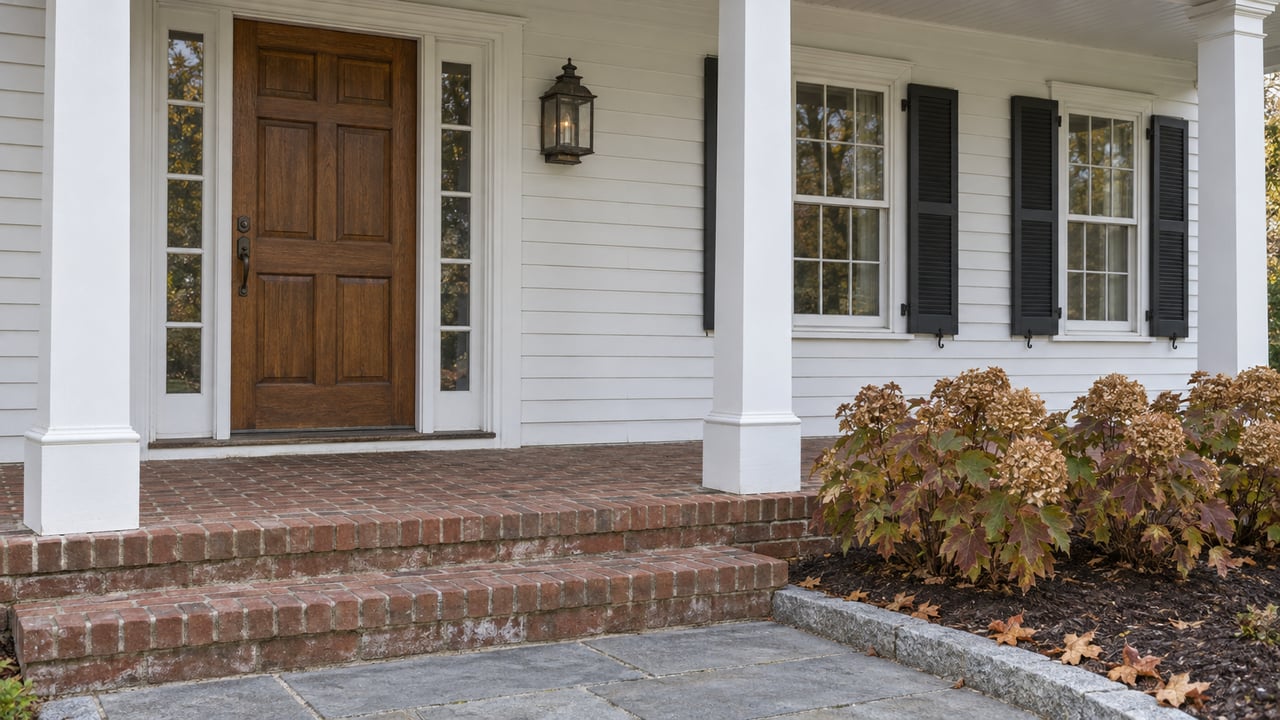
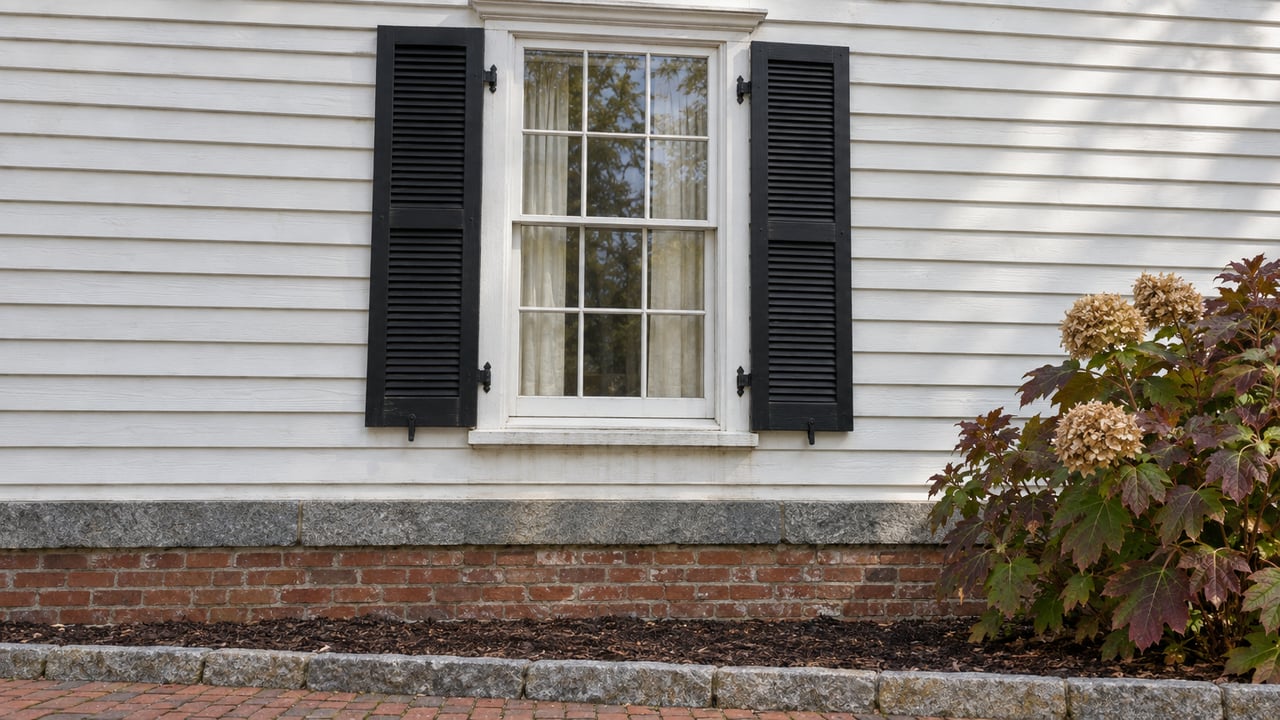
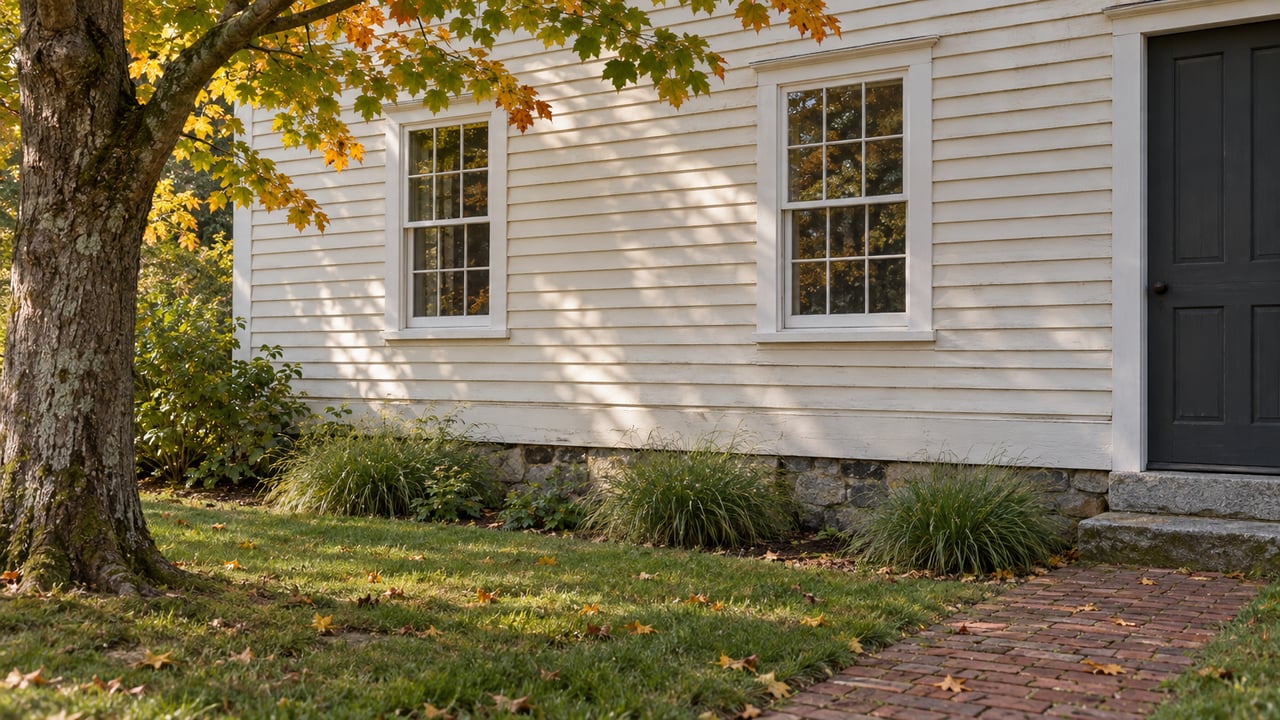
According to the Town of Harvard history page, Harvard is known for its colonial and Victorian homes, historic common, working orchards, Bare Hill Pond, and more than 2,000 acres of conservation land. The town’s open-space profile reinforces that strong rural identity.
If you like the idea of a recognizable town center and a more traditional New England feel, Harvard may stand out to you. It offers a setting that feels rooted in history while still providing access to major routes.
Harvard is located at Routes 2 and 495, about 32 miles west of Boston and 22 miles northeast of Worcester, based on the same town history source. For buyers balancing rural living with regional access, that location can be a key part of the appeal.
Bolton: More Space, More Separation
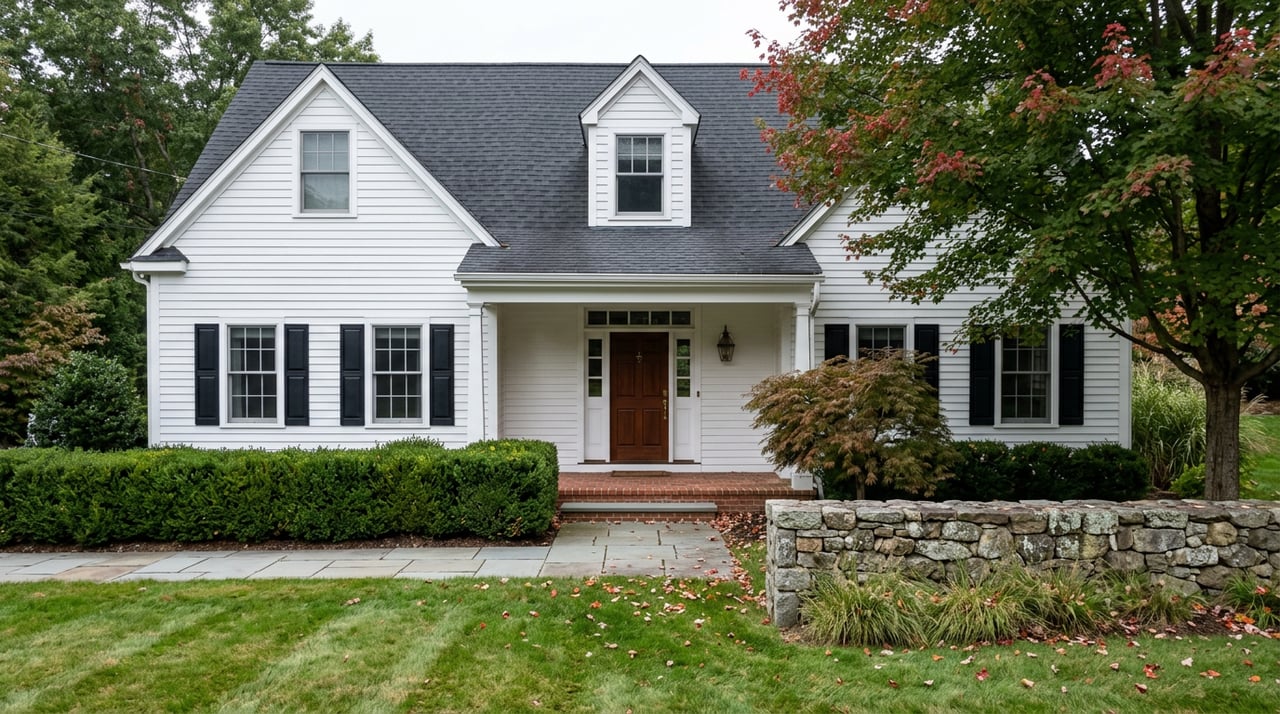
Bolton also offers a rural lifestyle, but the experience is different. The town describes itself as a largely residential community with single-family homes on large lots, rolling hills, orchards, stone walls, and an open-town-meeting civic culture, according to the Town of Bolton overview.
Bolton’s layout tends to feel more dispersed. If you prefer more space between homes and a less village-centered pattern, that may suit you better.
Bolton’s conservation commission manages more than 2,000 acres of town-owned conservation land, and the town sits off Route 117 and I-495. That makes Bolton appealing if you want a rural setting with highway access, even though the town’s own planning materials emphasize a car-oriented pattern.
Housing Differences to Know
For many buyers, the biggest practical question is what kind of home and lot you can find in each town. Here, Harvard and Bolton start to separate more clearly.
Harvard housing style and pricing
Harvard’s planning documents say zoning is designed to preserve a rural-residential character with a 1.5-acre minimum lot size throughout town, although a town-center study notes that many existing center lots are closer to one-third to one-half acre. That helps create a mix of older village homes, historic farmhouses, and larger-lot properties.
Current market snapshots show Harvard with a median listing home price of $1,147,500 and 13 homes for sale on Realtor.com. Zillow’s typical home value in Harvard was $891,377 on 2/28/2026, based on the research provided.
In simple terms, Harvard appears to skew higher on asking price, especially if you are focused on homes near the village core or character properties. If charm, history, and a tighter town-center feel matter to you, that may be worth the premium.
Bolton housing style and pricing
Bolton’s planning materials say residential and agricultural districts generally require an 80,000-square-foot minimum lot area, or about 1.8 acres, with 200 feet of frontage. The town also allows variations such as backland lots and FOSPRD lots, according to its existing conditions report.
Current market snapshots show Bolton with a median listing home price of $779,000 and 15 homes for sale on Realtor.com. Zillow’s typical home value in Bolton was $850,207 on 2/28/2026, and active listings cited in the research included homes on 1.89-, 2.5-, and 4.1-acre lots.
That suggests Bolton often gives you more land at a lower listing price. If lot size, privacy, and value are high on your list, Bolton may offer a better fit.
Side-by-Side Comparison
| Category | Harvard | Bolton |
|---|---|---|
| Overall feel | Historic village-oriented town | More dispersed rural town |
| Location access | Routes 2 and 495 | Route 117 and I-495 |
| Distance to Boston | About 32 miles | About 31 miles |
| Distance to Worcester | About 22 miles | Roughly 17 to 20 miles |
| Typical housing pattern | Mix of village homes, farmhouses, larger-lot properties | Single-family homes on large lots |
| Minimum lot pattern | 1.5-acre zoning townwide, with smaller center lots in some areas | About 1.8-acre minimum in key districts |
| Median listing price | $1,147,500 | $779,000 |
| Zillow typical value | $891,377 | $850,207 |
| School structure | Single-town K-12 campus | Regional district with PK-8 in Bolton and high school in district |
| Mean travel time to work | 31.6 minutes | 36.8 minutes |
Schools and District Structure
If schools are part of your decision, it helps to compare structure as much as performance. These towns take different approaches.
Harvard school setup
Harvard Public Schools are a small, unified K-12 system on one campus. The Massachusetts DESE data in the research report show 1,006 students in the district in 2025-26, with Hildreth Elementary at 446, Bromfield Middle at 241, and The Bromfield High School at 319.
Harvard town pages also note that the town provides a kindergarten-through-grade-12 program on one centrally located campus. In the 2025 DESE accountability report, Bromfield High School was classified as not requiring assistance or intervention, with a 95th-percentile accountability score and a reason of meeting or exceeding targets, according to the DESE school profile.
For some buyers, that unified campus model is a major plus. It can create a simpler school path and a more centralized town experience.
Bolton school setup
Bolton is part of the Nashoba Regional School District, which serves Bolton, Lancaster, and Stow. Research notes show Florence Sawyer School in Bolton at 728 students in 2025-26 for PK-8, and Nashoba Regional High School at 834 students for grades 9-12.
The 2025 accountability report for Florence Sawyer said the school was not requiring assistance or intervention and had substantial progress toward targets with an 81st-percentile score. Nashoba Regional High School also was reported as not requiring assistance or intervention, with substantial progress toward targets and a 75th-percentile score, according to the district information provided through Nashoba Regional School District.
Because Harvard is a single-town K-12 district and Bolton is part of a three-town regional district, this is not a perfect apples-to-apples comparison. Still, the structure alone may influence which town feels right for your household.
Commute and Daily Access
Commute patterns matter, especially if you work outside town or expect frequent drives into surrounding areas. Based on ACS 2020-2024 mean travel times, Harvard’s average travel time to work is 31.6 minutes, while Bolton’s is 36.8 minutes, according to the U.S. Census QuickFacts data.
Harvard’s transportation picture is tied to Routes 2 and 495. Bolton’s official materials emphasize Route 117 and I-495, and its hazard-mitigation plan notes there is no passenger rail or bus service in town.
That does not make one town automatically better. It just means you should weigh your own routine carefully. If regional highway access and average commute time are priorities, Harvard may have a slight edge based on the data provided.
Which Town Fits Your Lifestyle?
The best choice often comes down to what matters most in your daily life. Both towns offer a rural Massachusetts setting, but they deliver it differently.
Harvard may fit you if you want:
- A more historic town center
- A recognizable village feel
- A unified K-12 public school campus
- A slightly shorter average commute time
- A mix of historic homes and larger-lot properties
Bolton may fit you if you want:
- Larger lots and more separation between homes
- A more dispersed rural setting
- Lower median listing prices based on current snapshots
- Easy access to I-495 and Route 117
- A housing market centered on single-family homes with acreage
Final Thoughts on Harvard vs. Bolton
There is no one-size-fits-all winner here. Harvard tends to appeal to buyers who want a historic common, a tighter village atmosphere, and a single-town K-12 setup. Bolton often appeals to buyers who want more land, a more spread-out rural feel, and a lower listing price point.
If you are comparing the two, the smartest next step is to match the data to your real life. Think about how much land you want, how often you commute, whether a village center matters to you, and what type of home style feels most comfortable.
If you want local guidance as you compare towns, Sandra Naroian can help you narrow your options, understand the market, and move forward with confidence.
FAQs
How do home prices compare in Harvard and Bolton, MA?
- Current market snapshots in the research report show Harvard with a median listing price of $1,147,500 and Bolton at $779,000, while Zillow typical values are closer at $891,377 in Harvard and $850,207 in Bolton.
What is the difference between Harvard and Bolton lot sizes?
- Harvard zoning generally uses a 1.5-acre minimum lot size, while Bolton’s residential and agricultural districts generally use about a 1.8-acre minimum, which helps support Bolton’s larger-lot housing pattern.
How are public schools structured in Harvard versus Bolton, MA?
- Harvard has a single-town K-12 public school system on one campus, while Bolton is part of the Nashoba Regional School District, with PK-8 in Bolton and high school within the regional district.
Which town has a shorter average commute, Harvard or Bolton?
- Based on ACS 2020-2024 mean travel times in the research report, Harvard averages 31.6 minutes to work and Bolton averages 36.8 minutes.
Is Harvard or Bolton better for a historic New England town feel?
- Harvard is more closely associated with a historic common, colonial and Victorian homes, and a village-centered layout, while Bolton is described as more dispersed and road-oriented.