Buying in Hudson can feel like trying to hit a moving target. One home sits close to downtown at an entry-friendly price, another offers more lot space farther out, and a third may come with a septic system that changes your inspection checklist. If you want a smart plan before you start touring, this guide will help you understand Hudson’s price points, residential areas, commute setup, and due diligence basics so you can buy with more confidence. Let’s dive in.
Hudson Market Snapshot
Hudson sits in the middle of the MetroWest price range, which is one reason buyers keep it on their radar. The town had about 20,364 residents as of the July 2024 estimate, and the U.S. Census QuickFacts profile for Hudson shows a median owner-occupied home value of $496,800, a median household income of $103,400, and a mean travel time to work of 30.9 minutes.
Current market data also shows a town that still requires preparation. According to Redfin’s Hudson housing market page, the median sale price was $620,000 in March 2026, homes spent a median of 74 days on market, and the market was still labeled very competitive, with homes going pending in about 26 days on average and selling around 100.8% of list price.
That mix matters if you are shopping in Hudson. On paper, the median price has softened year over year, but well-priced homes can still move quickly. If you are serious about buying here, it helps to be preapproved and ready to act when the right property comes up.
Hudson Prices In Context
Hudson often appeals to buyers who want MetroWest access without paying the highest prices in the area. The town’s 2024–2029 Housing Production Plan notes a 2022 median sale price of $550,000 for single-family homes and $365,000 for condos, and it states that Hudson has remained relatively affordable compared with nearby communities even as values have risen.
Looking at nearby town medians from current Redfin data, Hudson at $620,000 sits below Marlborough at $650,000, Westborough at $697,000, Southborough at $920,000, and Bolton at $728,000. It is above Maynard at $500,000 and close to Stow at $612,500. That places Hudson near the center of the pack for buyers balancing budget, commute, and home type.
For many buyers, that middle position is the real story. You may find more approachable pricing than in some neighboring towns while still staying within reach of major highways and regional job centers. That does not make Hudson cheap, but it can make the value equation more workable.
Hudson Neighborhood Types To Know
Hudson does not break neatly into a long list of formal, widely marketed neighborhoods the way some larger cities do. Instead, buyers usually benefit more from understanding the town in practical residential zones: downtown and the core, established central neighborhoods, eastern septic-served areas, and smaller pockets of newer or larger-lot homes.
Downtown And Core Hudson
Downtown Hudson is the most walkable part of town and is closely tied to the historic center. The town’s planning documents note that downtown and nearby streets have the sidewalk and crosswalk connectivity that supports easier walking, and Redfin’s Downtown Hudson market page shows a recent median sale price of $310,000 with a very competitive profile.
For buyers, this area can be a useful starting point if you want a smaller home, condo, or older property near town services. It is generally the lowest-priced core area in Hudson based on the town’s planning data and current market information. You may trade lot size or newer finishes for location and price.
Central Residential Areas
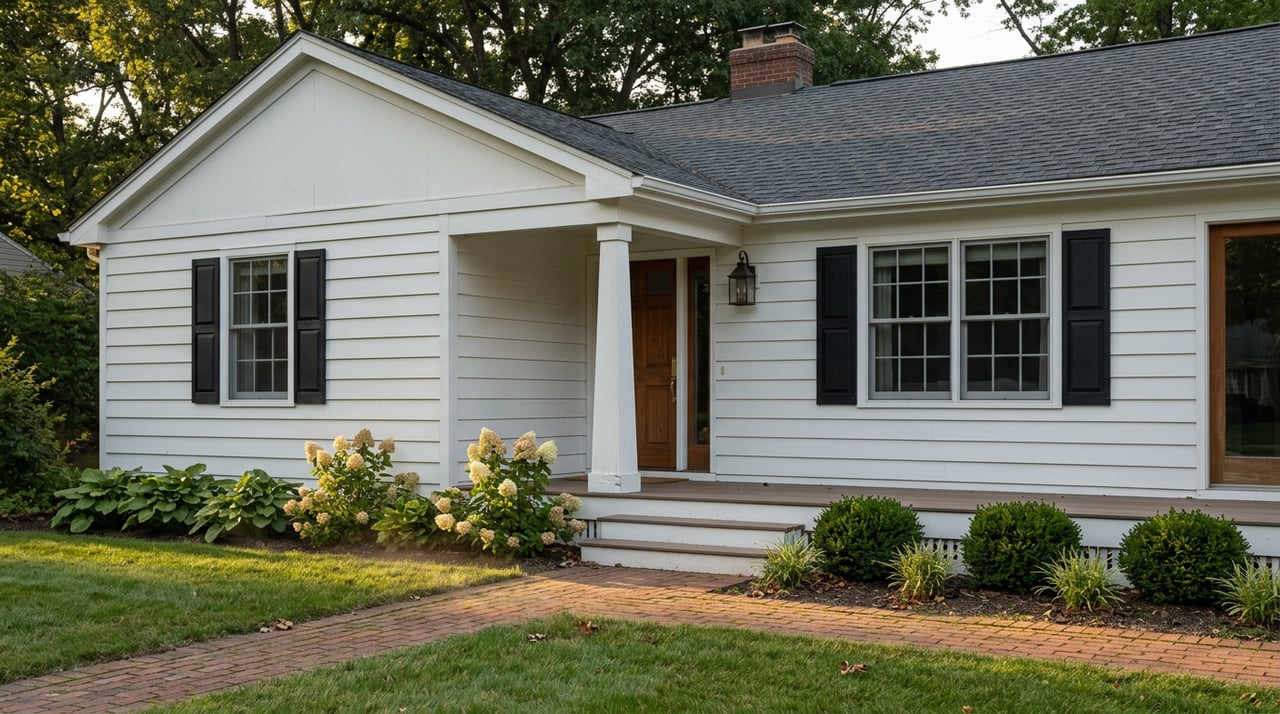
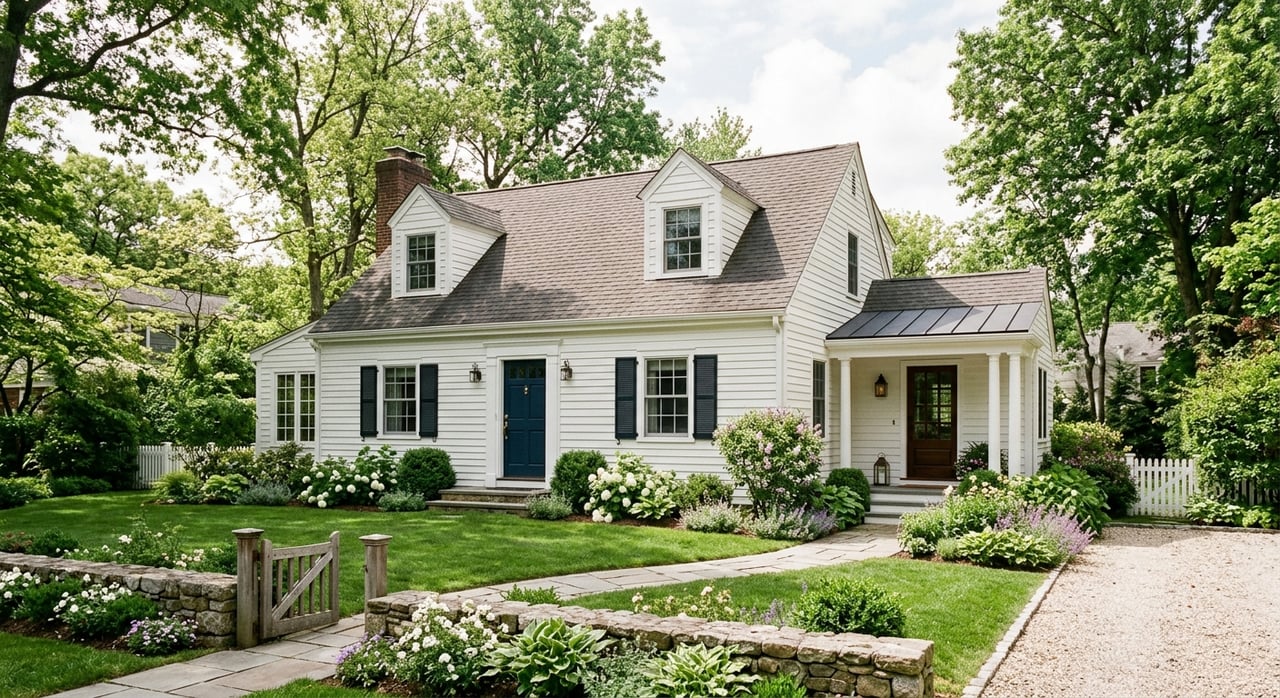
Much of Hudson’s housing stock sits in established central residential areas. The Housing Production Plan says the town includes many older, modest single-family homes on small lots, with a significant share of homes built before 1940, plus a meaningful number of 3-to-9-unit multifamily buildings.
That can create a different search experience than you may find in towns with more recent subdivision growth. In Hudson, your options may include older detached homes, condos, and some multifamily-style ownership opportunities rather than large volumes of newer construction. If you are a first-time buyer or a relocator, this is important because condition and layout may vary more from house to house.
East Hudson
East Hudson stands out for one practical reason: sewer infrastructure. The town plan states that the eastern part of Hudson does not have a municipal sewer service connection, so wastewater is handled through private septic systems.
If you are looking in East Hudson, you will want to weigh more than purchase price and square footage. Septic condition, lot size, and future maintenance costs become a bigger part of the ownership picture. This does not make East Hudson a bad option, but it does mean your due diligence needs to be especially careful.
Newer And Larger-Lot Pockets
Hudson does have some newer and higher-end housing pockets, but they make up a smaller share of the market. The town plan notes that newer single-family homes built in the past decade have generally been placed on larger lots and are more expensive than older homes.
If you are stretching your budget for newer finishes, larger yards, or more updated layouts, these are usually the areas where pricing jumps fastest. In practical terms, buyers often need to decide whether they value age and updates more than location or price point.
What Home Styles Mean For Buyers
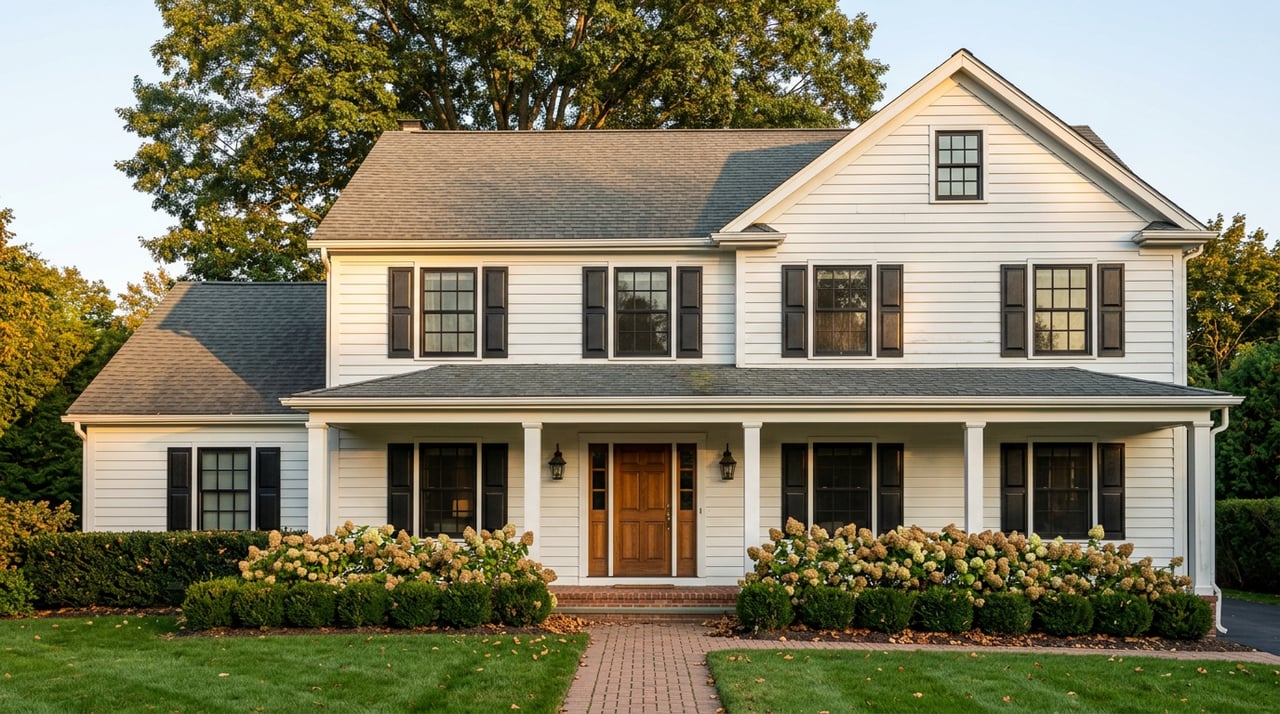
Hudson is not mainly a new-construction market. Its value often comes from a combination of location, lot size, and the character of older homes rather than from large numbers of brand-new houses.
The town’s housing plan shows a strong presence of older detached homes, including many built before 1940, along with some multifamily housing and larger rental developments that were mostly built in the 1980s. For you as a buyer, that means two homes at similar prices may offer very different tradeoffs in systems, updates, and maintenance needs.
This is where touring with a clear framework helps. One home may offer a better layout but need system updates. Another may have recent renovations but less outdoor space. In Hudson, the smartest choice is often the one that balances condition, location, and long-term upkeep rather than simply chasing the biggest house.
Inspection Basics In Hudson
In a town with older housing stock, inspections matter. Buyers in Hudson should pay close attention to roof age, heating and cooling systems, water management, insulation and efficiency, and signs of deferred maintenance, especially in homes that have been added onto or updated over time.
If the property uses a septic system, that becomes a major due diligence item. This is especially relevant in East Hudson, where private septic systems are common based on the town’s infrastructure map and planning documents. A septic-served property may come with different maintenance responsibilities than a home connected to municipal sewer.
Massachusetts has also changed the offer-process landscape for inspections. Under Massachusetts regulations on residential home inspection waivers, for covered residential sales after October 15, 2025, sellers and their agents cannot condition acceptance of an offer on the buyer waiving a home inspection, and sellers must provide a separate written disclosure before the first purchase contract.
That is good news for buyers who want room to make informed decisions. You can still choose your approach, but you should not feel pushed into giving up an inspection just to compete in a covered transaction. In a market like Hudson, being organized is still essential, but clean terms and strong preparation matter more than risky shortcuts.
Commute And Transit Reality
Hudson is best understood as a car-oriented suburb. The town highlights access from I-495 Exit 67 and Route 85 through its location resources, and local planning documents describe Hudson as a community that attracts residents because of highway access to regional job centers including Boston, Framingham, and Worcester.
For many buyers, that highway access is part of Hudson’s appeal. You can get suburban housing options while staying connected to larger employment centers. Still, commute time should be tested in real conditions, especially if you expect to travel during peak hours.
Transit does exist, but it is limited compared with closer-in suburbs. The MWRTA Route 15 and 495 Connector service includes Hudson stops such as Downtown Hudson, the Hudson Senior Center, and Highland Commons, and it connects to the Southborough MBTA commuter rail station during commuter hours. MWRTA Catch Connect also adds local on-demand coverage.
That said, the town’s housing plan still describes transit options as a limitation. If public transportation is central to your daily routine, treat it as a useful supplement and confirm the schedule carefully before you buy.
How To Shop Smart In Hudson
Hudson rewards buyers who come in with a plan. Because the market remains competitive, your best move is to understand your budget, target areas, and inspection priorities before you start writing offers.
A practical approach often looks like this:
- Get fully preapproved before touring seriously.
- Decide whether you want walkability, more lot space, or newer updates.
- Ask early whether a property is sewered or on septic.
- Budget for repairs or system upgrades if you are targeting older homes.
- Move quickly on well-priced listings, but keep your due diligence disciplined.
This is also where local guidance can save you time. Two homes with the same list price can carry very different ownership costs depending on age, condition, and infrastructure. The more clearly you understand those tradeoffs, the more confident your decision will be.
Hudson offers a lot for buyers who want a practical MetroWest location, a range of price points, and a housing stock that includes everything from downtown condos to older single-family homes and select larger-lot properties. If you want help comparing areas, narrowing your search, or building a smart offer strategy, connect with Sandra Naroian for local guidance grounded in experience and a smooth, client-first process.
FAQs
What is the current median home price in Hudson, MA?
- According to Redfin’s March 2026 market data, the median sale price in Hudson is $620,000.
Which part of Hudson, MA may offer lower entry prices?
- Downtown Hudson is generally the lowest-priced core area, and Redfin shows a recent median sale price of $310,000 there.
What should buyers know about East Hudson homes?
- East Hudson includes areas without municipal sewer service, so many properties rely on private septic systems and need extra inspection attention.
Are Hudson, MA homes older on average?
- Yes. The town’s housing plan says much of Hudson’s housing stock is older, with many modest single-family homes and a significant share built before 1940.
Is Hudson, MA good for commuters?
- Hudson offers strong highway access, especially via I-495 and Route 85, but transit options are more limited and work better as a backup than a primary commute plan.
Can a seller require you to waive a home inspection in Massachusetts?
- For covered residential sales after October 15, 2025, sellers and their agents cannot condition acceptance on a buyer waiving a home inspection under Massachusetts regulations.