Thinking about a move to Westford and wondering what day-to-day life actually feels like? This is a town where lakes, village centers, trails, and practical shopping all play a role, but they are not packed into one neat downtown. If you are comparing communities in northern Middlesex County, understanding how Westford is laid out can help you choose the right fit for your lifestyle. Let’s dive in.
Westford has a village-style layout
One of the first things to know about living in Westford, MA is that it feels more like a collection of village areas than a single downtown-centered suburb. The town describes itself as a quiet bedroom community in the I-495 technology corridor, and its planning documents connect its growth to mills, lakes, agriculture, and transportation routes.
For you as a buyer or relocator, that means your experience of Westford can vary a lot depending on where you land. Some areas feel more civic and traditional, some feel tied to the water, and some have a more rural character.
Westford Center offers civic amenities
Westford Center is the town’s civic and cultural hub. According to the town’s master plan, this area includes Town Hall, the J.V. Fletcher Library, the fire station, Roudenbush Community Center, the Westford Museum, the Parish Center for the Arts, and the Common.
If you like being near public resources and community gathering spaces, this part of town may stand out to you. It is one of the clearest places to see Westford’s historic identity and town services in one area.
Forge Village has mill history
Forge Village is described in the town’s planning documents as Westford’s largest and best-preserved factory village. It developed along Forge Pond and around the historic Abbot Worsted mill landscape and workers’ housing.
Today, that gives Forge Village a distinct sense of place. If you are drawn to areas with visible historical character and a connection to the water, this village may be worth a closer look.
Nabnasset centers around lake living
Nabnasset is Westford’s lake community, centered on Nabnasset Lake. The town describes it as a densely settled summer-cottage neighborhood where many homes were later renovated for year-round use.
That history still shapes the area’s feel. For some buyers, Nabnasset stands out because the lake is central to both the neighborhood’s natural setting and its identity.
Parker Village feels more rural
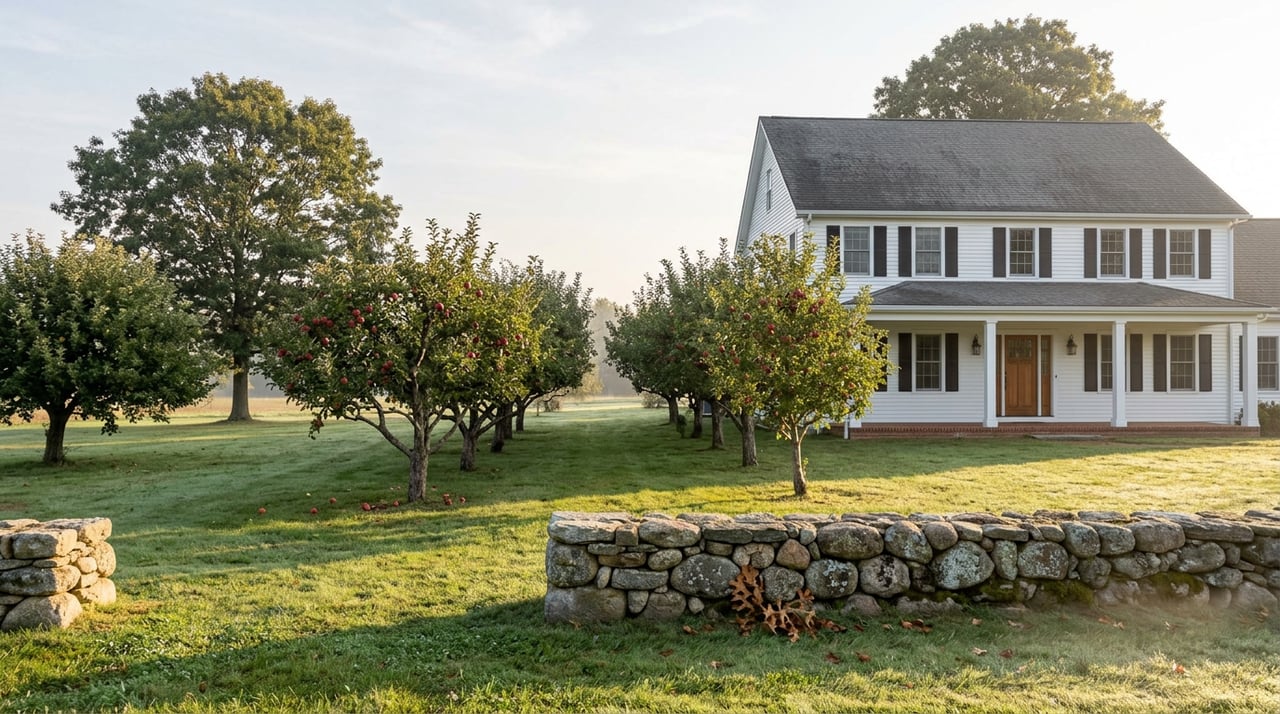
If you want a quieter, more open setting, Parker Village may appeal to you. Westford’s master plan describes this area as having fields, stone walls, scenic views, and the restored Parkerville Schoolhouse.
This is the side of Westford that can feel more traditionally New England and less built up. Buyers often appreciate that contrast when they want suburban convenience without giving up a more rural atmosphere.
Brookside and Graniteville add variety
Brookside and Graniteville are smaller mill-village areas shaped by Stony Brook, workers’ housing, and a mix of smaller-scale commercial and civic uses. They are part of what gives Westford its layered identity.
Taken together, these village areas explain why Westford does not feel like a one-center town. The boundaries are less sharply defined today, so your decision often comes down to the character of a specific pocket or micro-neighborhood.
Lakes shape everyday life
Water is a real part of Westford’s identity, not just a nice extra on a map. Nabnasset Lake anchors the Nabnasset neighborhood, and Forge Pond plays a similar role in Forge Village.
The town also says Westford has two public beaches on spring-fed ponds. The Recreation Department identifies them as Forge Pond Beach and Edwards Beach, and both are available to the public year-round, with summer beach season operations.
For many buyers, that adds everyday lifestyle value. Even if you are not looking for waterfront property, having public beach access nearby can make summers feel more local and less car-trip dependent.
Trails and open space are major amenities
Westford offers a meaningful amount of protected land and outdoor access. The Conservation Commission says it oversees more than 2,100 acres of town-owned land, along with compliance for 67 permanent Conservation Restrictions covering more than 1,700 acres.
That level of conservation support matters if outdoor recreation is high on your list. Westford also maintains an active trail network, and the Bruce Freeman Rail Trail runs through town for biking, jogging, and walking.
If you picture weekends spent outside, Westford gives you several ways to do that. The combination of ponds, trails, and conserved land is a big part of the town’s appeal.
Recreation programs support active households
Westford’s amenities are not limited to passive outdoor space. The Recreation Department runs after-school enrichment through the Westford Partnership for Children for grades K through 8, summer programs for children ages 4 to 13, and a range of seasonal offerings.
The town also connects residents to local youth sports organizations, including basketball, lacrosse, football and cheer, baseball and softball, flag football, hockey, and soccer. If you are moving with children or just want to understand the rhythm of community life, those programs are worth noting.
Community events add to that lifestyle mix. Westford highlights annual traditions including the Apple Blossom Festival in May and the Strawberry Festival in June.
Shopping and dining are corridor-based
Westford’s commercial layout is practical rather than concentrated in one downtown shopping district. The town’s business guide points to the Route 110 corridor, Forge Village, Route 40 and Groton Road, and the historic town center as key business districts.
That means your errands, dining, and services may be spread out depending on where you live. For many suburban buyers, that setup feels familiar and convenient, especially if you are already expecting to drive for most daily needs.
Westford Valley Marketplace covers daily errands
Westford Valley Marketplace at 160 Littleton Road is one of the town’s major everyday retail nodes. Its directory includes Whole Foods, restaurants and cafes, fitness studios, pharmacy, banking, and other services.
For residents, that kind of clustered shopping can make routines easier. Instead of piecing together stops across multiple towns, you can handle many basics in one place.
Cornerstone Square expands options
Cornerstone Square, located at Littleton Road and Boston Road, adds another major retail cluster. It is anchored by Market Basket and includes a large amount of retail and dining space.
Having more than one strong shopping area is helpful if convenience matters to you. It also reinforces the idea that Westford’s amenities are distributed across town rather than focused in a single center.
Commuting favors road access
Westford offers strong regional access, especially for drivers. The town states that it is about 30 miles from Boston and Cambridge in one business guide, while its residents page says it is about 35 miles from Boston and near Routes 495 and 3, with MBTA Commuter Rail access at Littleton station.
In practical terms, many residents are likely to experience Westford as more car-oriented than rail-centered. If commute flexibility matters to you, it helps to think through not just your destination, but also which part of Westford puts you in the best position for your routine.
School infrastructure is substantial
For buyers who want to understand public school logistics, Westford Public Schools says the district includes 9 schools: 6 elementary schools, 2 middle schools, and 1 high school. The district also states that attendance is based on the resident’s address.
The school locator lists Westford Academy for grades 9 through 12, Blanchard Middle School and Stony Brook School for grades 6 through 8, and a set of elementary schools serving different grade bands. The district home page also notes an enrollment of more than 4,600 students and 850-plus faculty and staff.
Westford also points residents to Nashoba Valley Technical High School as a public, four-year, career-focused option. In addition, the Westford Partnership for Children provides after-school enrichment, vacation programming, and summer coverage at several local schools.
What buyers should weigh in Westford
Westford appeals to many buyers because it blends village character, lake access, public beaches, trails, structured recreation, and practical commuting routes. It can offer a lot of lifestyle value, especially if you want more than a standard subdivision feel.
The main trade-off is layout. Amenities are spread across village centers and retail corridors, so choosing the right location within Westford matters just as much as choosing the town itself.
If you are considering a move here, it helps to compare areas based on what matters most to you, such as lake access, trail proximity, shopping convenience, commute routes, or civic amenities. That neighborhood-level view is often what turns a good move into the right one.
If you want help narrowing down where you may fit best in Westford or nearby towns, Sandra Naroian can help you compare neighborhoods, home options, and day-to-day lifestyle with a local, practical lens.
FAQs
What is Westford, MA like for everyday living?
- Westford feels like a collection of village areas with lakes, trails, beaches, recreation programs, and shopping corridors rather than one compact downtown.
What are the main neighborhoods in Westford, MA?
- Westford’s village areas include Westford Center, Forge Village, Nabnasset, Parker Village, Brookside, and Graniteville, each with its own character shaped by history, water, or land use.
Are there public beaches in Westford, MA?
- Yes. Westford says it has two public beaches on spring-fed ponds: Forge Pond Beach and Edwards Beach.
What outdoor amenities are available in Westford, MA?
- Westford offers an active trail network, the Bruce Freeman Rail Trail, over 2,100 acres of town-owned land overseen by the Conservation Commission, and additional protected land under Conservation Restrictions.
Is Westford, MA convenient for commuting?
- Westford is near Routes 495 and 3, about 30 miles from Boston and Cambridge in one town guide, about 35 miles from Boston on the town’s residents page, and also has access to the MBTA Commuter Rail at Littleton station.
How is shopping laid out in Westford, MA?
- Shopping and dining are spread across business districts and retail clusters, including Westford Valley Marketplace and Cornerstone Square, rather than concentrated in one downtown district.
How many public schools are in Westford, MA?
- Westford Public Schools says the district has 9 schools: 6 elementary schools, 2 middle schools, and 1 high school, with attendance based on your address.