Wondering if you can get the space and quiet of a small New England town without giving up access to Boston? That is exactly where Harvard, Massachusetts, enters the conversation for many buyers. If you are weighing commute time, housing options, and day-to-day lifestyle, this guide will help you see where Harvard fits and where it may fall short. Let’s dive in.
Harvard and Boston Commutes
Harvard is about 32 miles west of Boston and 22 miles northeast of Worcester, according to the town’s history materials. It is a rural community, and Routes 2 and 495 run through town. That location puts Harvard closer to the edge of the commuter belt than to the inner-ring suburb category.
For many residents, commuting starts with the car. Harvard’s master plan notes that Route 2 is the main east-west connection toward I-495, Route 128, and Greater Boston, while local roads funnel traffic toward Route 2. In practical terms, that means Harvard works best for people who are comfortable driving for at least part of their commute.
Census QuickFacts lists Harvard’s mean travel time to work at 31.6 minutes for 2020 through 2024. That is slightly above the statewide average of 29.1 minutes. While that number is not specific to Boston commuters, it does suggest that travel time is already a meaningful part of daily life in town.
What the drive-to-Boston setup means
If you work in Boston every day, Harvard may feel manageable, but not effortless. It is not the kind of place where you can usually expect a short, simple trip into the city. Instead, the tradeoff is often more space, a rural setting, and a quieter home base.
For many buyers, that tradeoff works best when the commute is not five days a week. If you have a hybrid schedule, flexible hours, or only occasional city meetings, Harvard can make a lot of sense. If you need a fast, predictable daily trip into Boston, you may want to think carefully about whether the setup matches your routine.
Train Access From Harvard
Harvard does not have an MBTA commuter rail stop in town. The town’s market study points to nearby Fitchburg Line access in Ayer and Littleton. So train service is available in the region, but it is not walkable from Harvard Center.
That distinction matters. Harvard is better described as a drive-to-station town than a direct-transit town. If you like the idea of taking the train, you should expect to drive first and build that extra step into your schedule.
Commuter shuttle status
Harvard previously used a commuter shuttle to help connect riders to the regional rail network. Town records show that shuttle service was discontinued on December 26, 2025, due to low ridership. The current town transportation information focuses on MART and Council on Aging vans for seniors and residents with disabilities, not a general commuter shuttle.
That change makes independent transportation even more important for most commuters. If train access is part of your plan, you will likely need to rely on your own car to reach nearby stations.
Who train commuting may suit
Train commuting from Harvard can still work well in the right situation. It may appeal to buyers who head into Boston once or twice a week, want a backup to driving, or prefer a more flexible routine. It is a less natural fit for someone who wants a seamless walk-to-train lifestyle every weekday.
Housing in Harvard
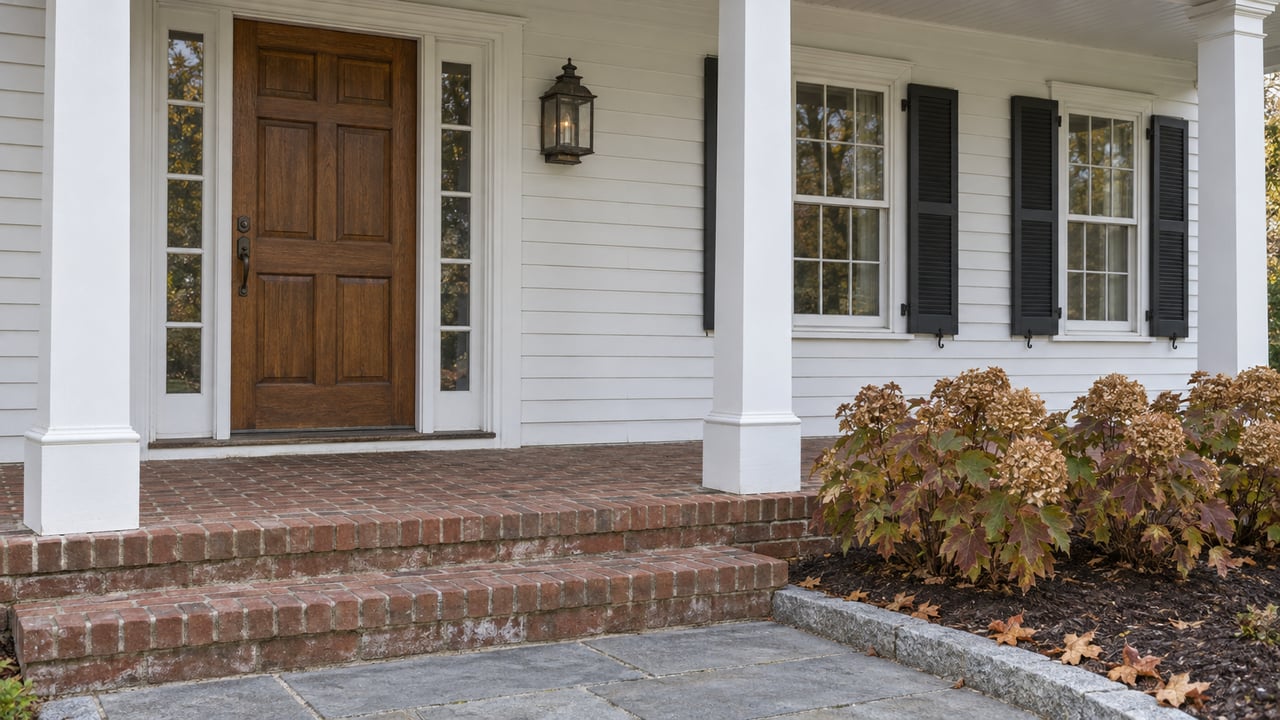
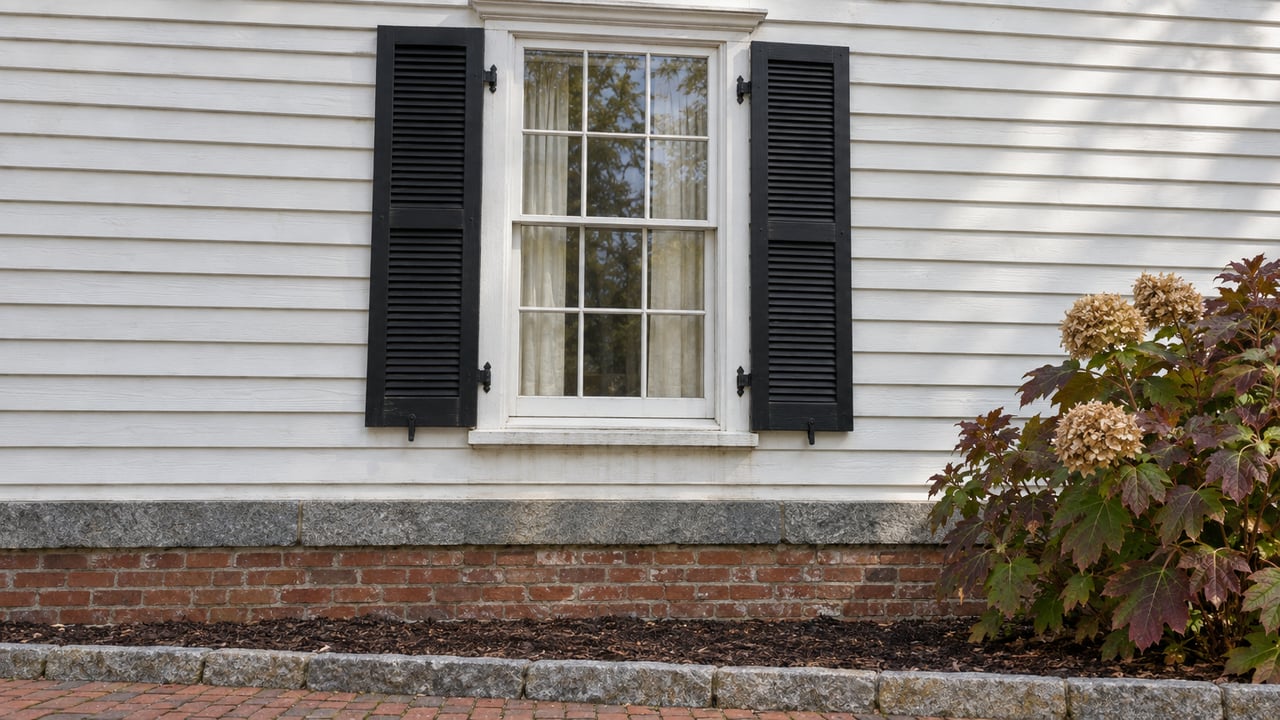
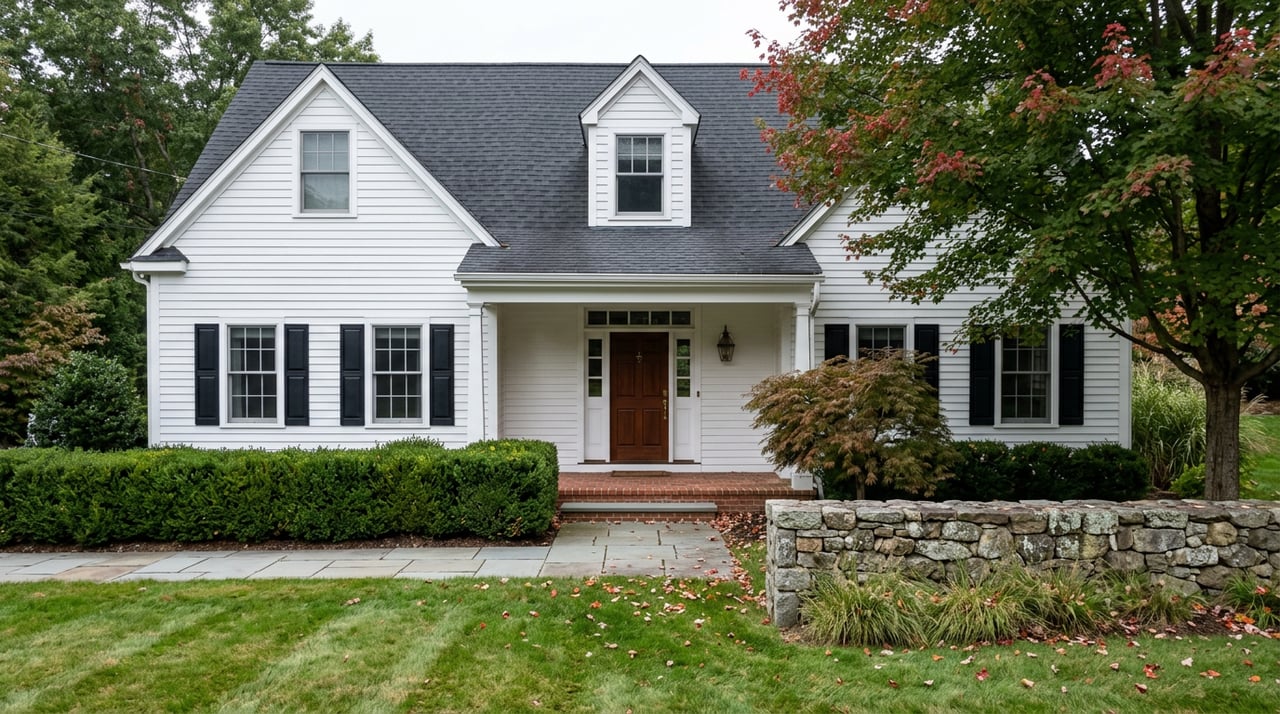
Harvard’s housing profile is a major part of its appeal. The town’s 2024 to 2028 Housing Production Plan says 86% of housing units are detached single-family homes. It also notes that more than half of homes have four or more bedrooms, and nearly half were built between 1960 and 1990.
That tells you a lot about what buyers are likely to find here. Harvard is largely a single-family home market with larger homes and a less varied housing mix than many closer-in suburbs. If you are looking for land, privacy, and room to spread out, that can be a real advantage.
Ownership and cost picture
Census QuickFacts shows an owner-occupied rate of 89.4% in Harvard. The same source lists a median owner-occupied home value of $833,600 for 2020 through 2024, compared with $562,100 statewide. Median selected monthly owner costs with a mortgage were listed at $3,737.
Those numbers make one thing clear: Harvard is not a bargain commute town. Buyers are often making a conscious tradeoff, choosing space and setting over a lower purchase price or easier transit access.
Rental options are limited
Harvard’s housing plan also says rental options are scarce, and much of the newer rental stock is age-restricted. That can make the town harder to enter for renters who want to try the area before buying. It can also narrow choices for people who prefer a flexible housing setup.
For buyers, that limited rental inventory reinforces Harvard’s identity as a long-term homeownership market. It tends to attract people who are looking for stability and a property that supports a particular lifestyle.
Lifestyle Beyond the Commute
Commute logistics matter, but they are only part of the story. Harvard highlights its historic common, orchards, Fruitlands Museum, Bare Hill Pond, and more than 2,000 acres of conservation land. Those features help explain why the town stands out for buyers looking beyond pure drive time.
Bare Hill Pond adds year-round recreational value, including swimming and boating in warmer months and skating or cross-country skiing in winter. For some buyers, that access to outdoor space is a bigger daily quality-of-life factor than shaving a few minutes off the morning trip.
Harvard also notes a centrally located K-12 public school campus in town. From a practical standpoint, that central layout is one of several features that can shape how residents experience daily routines.
What kind of buyer often likes Harvard
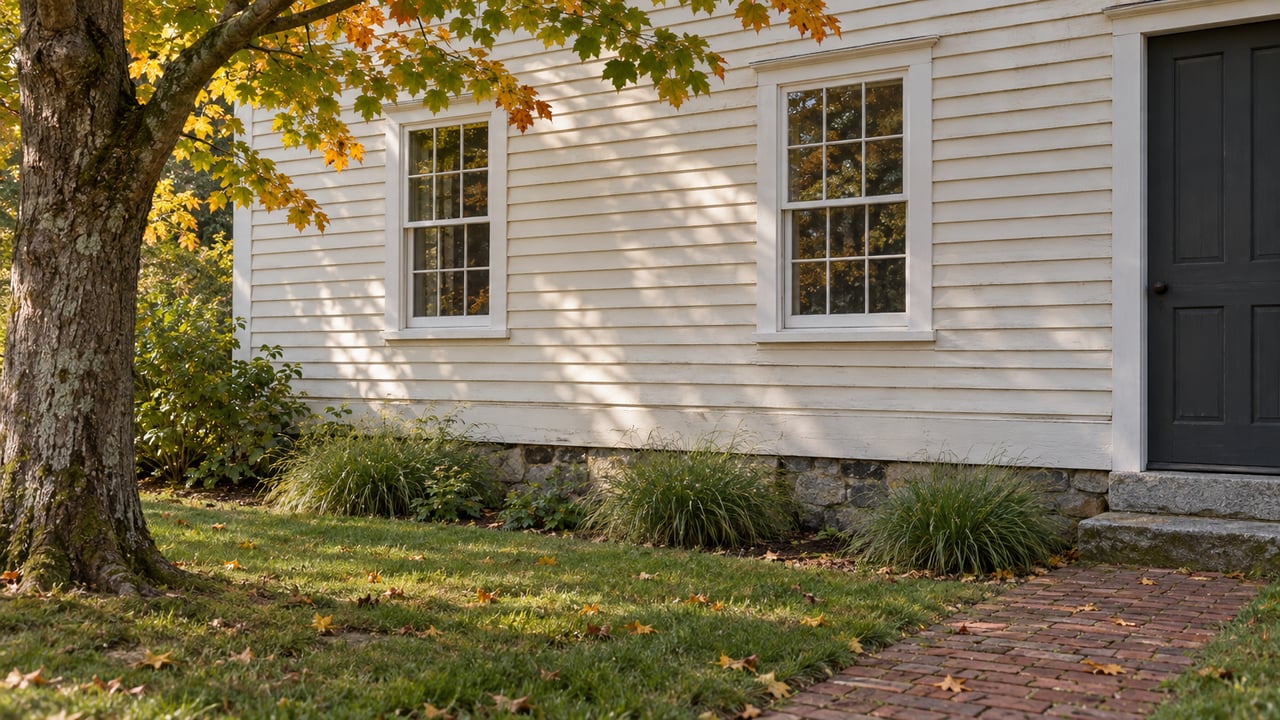
Harvard tends to make the most sense for buyers who want a rural setting, larger lots, and a strong small-town feel while keeping Boston or the Route 2 and 495 corridor within reach. It can be especially appealing if your work life allows some flexibility. That could mean hybrid work, staggered schedules, or a household where not everyone commutes to Boston every day.
If your top priority is transit convenience, Harvard may not check every box. If your priority is having more space and a quieter setting while staying connected to regional job centers, it may be a very strong fit.
Is Harvard a Good Fit for You?
The short answer is yes, for the right kind of commuter. Harvard can work well if you are comfortable with a car-based routine, open to driving to nearby rail stations, and looking for a home environment that offers more land and a rural feel. It is less ideal if you want an easy, direct public transit commute from your front door.
A simple way to think about Harvard is this: it is a lifestyle-first town with commuter access, not a commuter-first town with lifestyle perks. That difference is important when you are comparing it to communities closer to Boston or places with an in-town train stop.
Before you decide, it helps to look at your real weekly routine, not just the map. Think about how many days you need to be in Boston, whether you are comfortable driving to a station, and how much value you place on home size, outdoor space, and a quieter setting. Those answers usually make the right fit much clearer.
If you are comparing Harvard with other MetroWest or North-Central Massachusetts towns, local context matters. A town can look similar on paper but feel very different once you factor in roads, housing stock, and day-to-day convenience. That is where working with someone who knows the area can save you time and help you focus on the towns that truly match your goals.
If you are considering a move to Harvard or another nearby community, Sandra Naroian can help you compare commute realities, housing options, and lifestyle fit so you can move with confidence.
FAQs
Is Harvard, MA a practical place for a Boston commuter?
- Yes, Harvard can be practical for Boston commuters, especially if you are comfortable driving or using a drive-to-station routine for regional rail access.
Does Harvard, MA have a commuter rail station?
- No, Harvard does not have an MBTA commuter rail stop in town, but nearby Fitchburg Line access is available in Ayer and Littleton.
What kind of homes are most common in Harvard, MA?
- Detached single-family homes are the most common, making up 86% of the town’s housing stock according to Harvard’s Housing Production Plan.
Are rentals easy to find in Harvard, MA?
- No, rental options are limited in Harvard, and the town’s housing plan says much of the newer rental stock is age-restricted.
What lifestyle does Harvard, MA offer beyond commuting?
- Harvard offers a rural setting with features such as a historic common, orchards, Bare Hill Pond, Fruitlands Museum, and more than 2,000 acres of conservation land.