If you are drawn to antique homes, Harvard, Massachusetts can feel like a dream. From colonial-era farmhouses to Victorian village homes, the town’s older properties offer texture, history, and a strong sense of place that newer construction rarely matches. If you are thinking about buying one, it helps to know what gives these homes their charm, what can affect your renovation plans, and which costs deserve early attention. Let’s dive in.
Why Harvard antique homes stand out
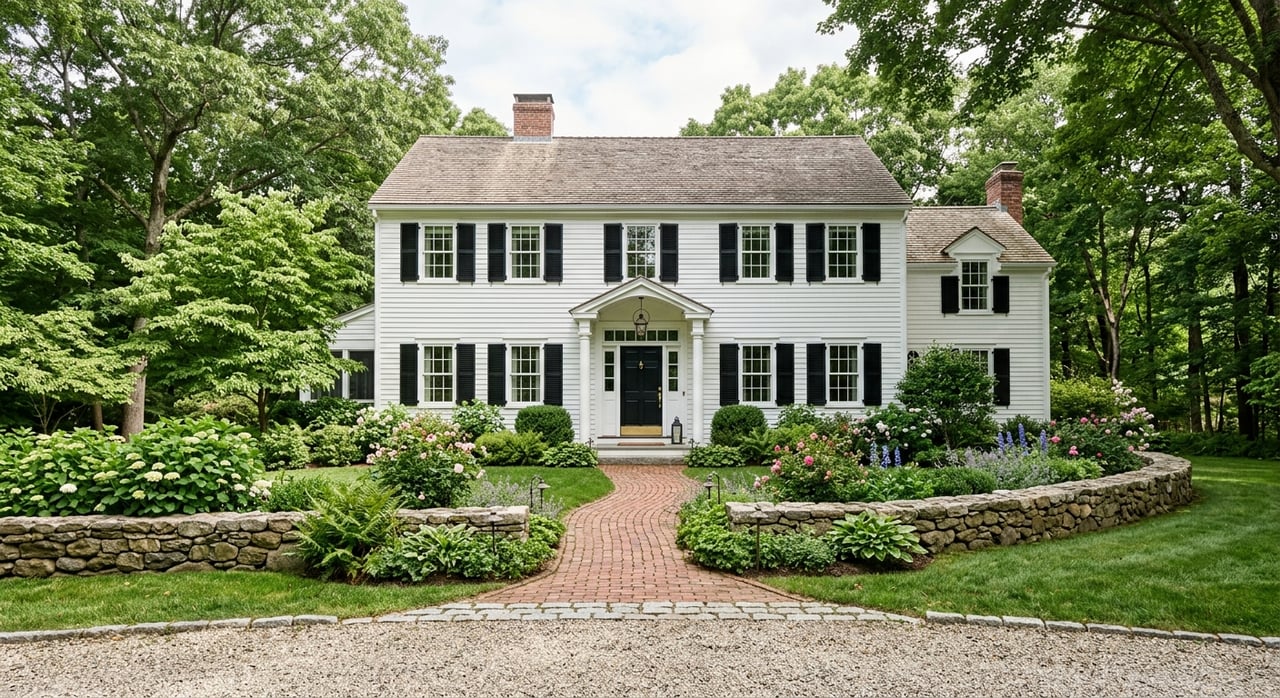
Harvard describes itself as a well-preserved rural community, and that identity shows up in its housing. Around the historic common and along winding roads, you will find colonial and Victorian homes, old farmhouses, orchards, stone walls, and remnants of the town’s Shaker Village landscape.
For buyers, that means the appeal is often bigger than the house alone. In Harvard, an antique home’s value and character are closely tied to its lot, outbuildings, setting, and surrounding historic features.
Historic districts matter in Harvard
Harvard’s Historical Commission oversees the Harvard Common and Shaker Village Historic Districts. The town’s guidance notes that the Common district is architecturally diverse, while Shaker Village has a more unified look shaped by Shaker influence.
That matters because exterior work may be subject to review. The town’s design guidance specifically tells owners in these districts to think about changes to houses, barns, fences, driveways, and stone walls before any work begins.
Architectural styles you may see
Many antique homes in Harvard reflect classic New England forms, often with additions and updates from later eras. A home may look simple from the street, but its present appearance may not tell the full story, especially if features were changed long before today’s district rules or approvals.
Here are some of the styles and layouts buyers are most likely to encounter.
Early colonial homes
Early colonial, or First Period, houses often have steep roofs, central chimneys, and narrow one-room-deep layouts. Inside, staircases may wrap tightly around the chimney core.
These homes can feel intimate and highly distinctive. They may also have uneven floors, lower ceiling heights, and room flow that reflects an earlier way of living.
Georgian homes
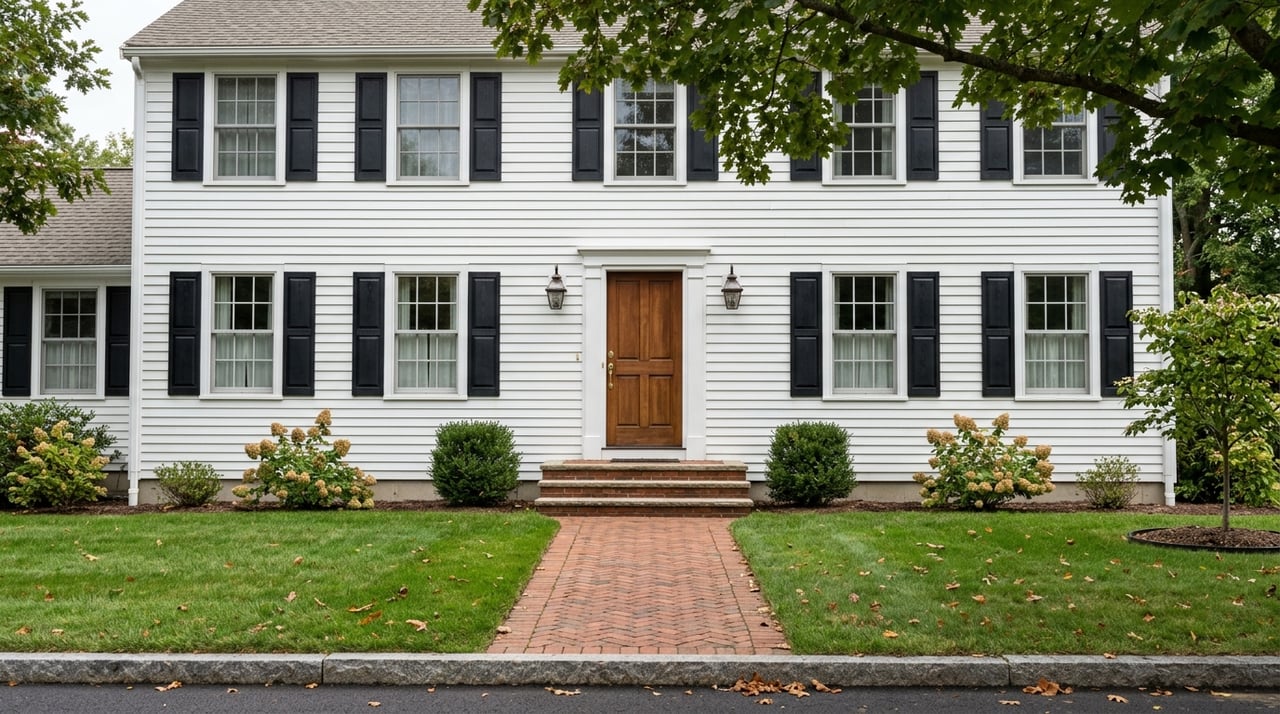
Georgian homes are usually more symmetrical. You may see a centered front entry, side-gabled rooflines, and two rooms in depth, often with a formal and balanced front facade.
For buyers, these homes often offer a more recognizable traditional layout. Even so, later additions can change how the original floor plan functions today.
Federal homes
Federal homes usually keep the basic box-like shape of Georgian houses but introduce lighter, more refined detail. Some include delicate trim, projecting wings, or unusual rounded and elliptical spaces.
These homes often appeal to buyers who want antique character with slightly more elegance and architectural detail. As always, each property should be judged on its specific condition and history.
Greek Revival homes
Greek Revival homes in New England often feature gable-front or side-passage plans, six-over-six windows, and porches with classical columns or pilasters. They tend to present a strong, straightforward street presence.
In Harvard, this style may appear in both village settings and rural locations. Buyers should pay close attention to exterior details, since trim and porch elements can play a large role in the home’s historic character.
Victorian and Queen Anne homes
Late-Victorian and Queen Anne homes are usually more irregular in shape. Bay windows, porches, varied textures, and decorative features can create a more layered look than earlier house types.
These homes often offer visual drama and flexible living spaces. They may also come with more exterior surfaces and details to maintain over time.
Look beyond the main house
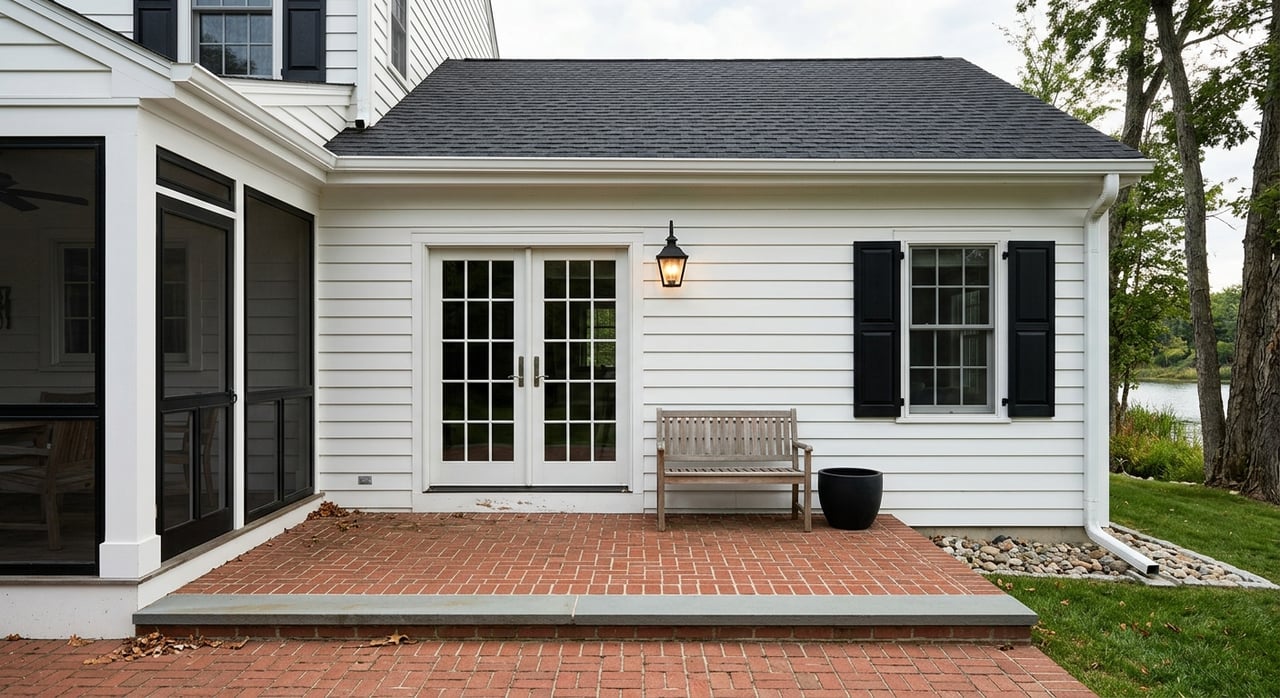
In Harvard, antique properties may include barns, sheds, carriage-house style outbuildings, stone walls, and other features tied to the town’s agricultural history. These elements can add real charm and utility, but they can also affect maintenance costs and renovation planning.
When you tour a property, try to think of the entire site as part of the purchase. The condition of the grounds, walls, and accessory structures can matter almost as much as the condition of the house itself.
Water and septic deserve early research
Many older Harvard homes are not connected to public utilities in the same way buyers might expect in more densely built areas. That is why water and septic should be part of your early due diligence.
Private well testing
Harvard’s Board of Health recommends testing private well water at least every five years and whenever water changes in color, smell, or taste. The town also requires water quality testing in preparation for all property transfers.
If you are considering a home with a private well, ask for the most recent test results early in the process. MassDEP also recommends that prospective buyers test private well water before purchase and use a state-certified laboratory.
Septic inspections and Title 5
If a home uses a septic system, Massachusetts Title 5 rules govern inspections and repairs. Harvard’s Board of Health also maintains local septic forms and resources related to permits, transfers, and upgrades.
Before closing, confirm whether there is a current inspection, what the results show, and whether any required work is pending. Septic surprises can affect both timing and budget, so this is not an item to leave for the last minute.
Lead paint rules for older homes
If the home was built before 1978, lead paint disclosures should be reviewed early. Federal law requires sellers and agents to disclose known lead-based paint information, provide the required pamphlet, and give buyers a 10-day period for a lead inspection or risk assessment.
Massachusetts also requires property-transfer lead paint notification. If a child under age 6 will live in a pre-1978 home, state law requires the property to be deleaded or placed into interim control within 90 days of taking title.
Energy comfort can improve without losing character
Older homes are often loved for their materials and craftsmanship, but comfort and efficiency may need attention. Air leaks around attics, basements, plumbing penetrations, electrical penetrations, and chimney chases are common areas to investigate.
Mass Save identifies insulation and air sealing as some of the most cost-effective ways to improve comfort and reduce energy use. If you are buying an antique home, it can be smart to evaluate these upgrades early so you can plan improvements that respect the house while making daily life more comfortable.
Renovation rules can shape your plans
If the home is in one of Harvard’s local historic districts, exterior changes may require review by the Historical Commission. Under Massachusetts General Laws Chapter 40C, no building or structure in a historic district may be altered in a way that affects exterior architectural features until the commission issues the appropriate certificate.
Just as important, no local building permit may be issued until that certificate is in place. So if you are budgeting for immediate exterior work, the approval timeline should be part of your planning.
What the commission reviews
The commission’s review focuses on historic and architectural value, along with design, arrangement, texture, material, and color. It does not extend to interior arrangements or features that are not subject to public view.
Ordinary maintenance and repair are generally exempt when there is no change in design, material, color, or outward appearance. Even so, Harvard’s guidance says owners should review exterior work with the commission before starting, even if a building permit is not required.
Projects that may trigger review
Common exterior items that can trigger review include:
- Siding
- Windows
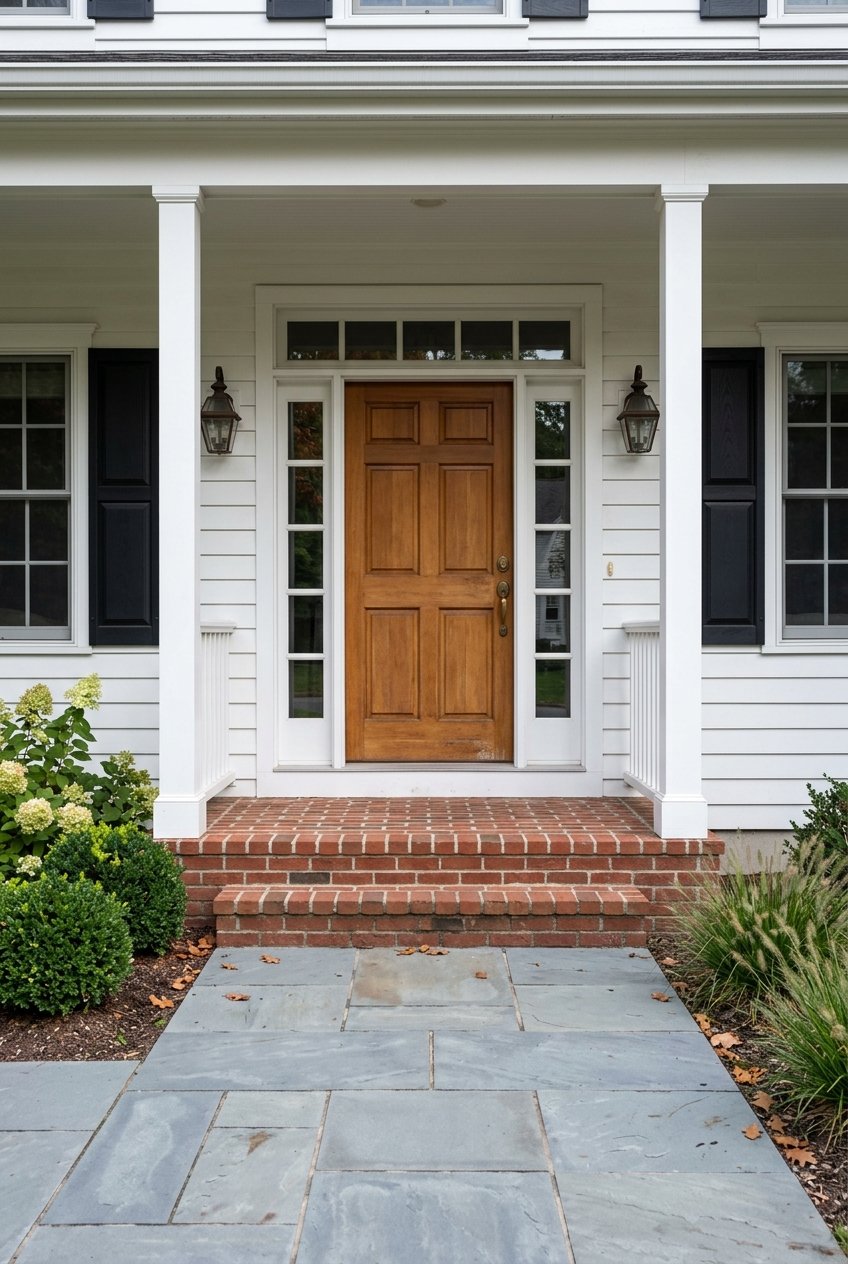
- Doors
- Porches
- Decks
- Roofs
- Fences
- Solar installations
This is one reason buyers should think through future plans before making an offer. If you already know you want to replace windows, change siding, or add solar, you will want to understand the likely review process up front.
Materials and details the town encourages
Harvard’s design guidance strongly prefers repairing original wood windows, retaining shutters and trim, and preserving historic siding materials. Vinyl siding is not considered appropriate for historic homes in the districts.
The guidelines also encourage preserving slate roofs, original porch details, and historically compatible fence types. In Shaker Village, that may include the granite-post-and-wood-cross-member pattern associated with the area.
Demolition faces higher scrutiny
Within the historic districts, demolition requires Historical Commission approval and is generally discouraged. The town’s guidance indicates that demolition is typically not favored unless rehabilitation is not practical or the structure lacks historic value to the district.
For buyers, that reinforces an important point. If you are purchasing an antique property, you should assume preservation, not removal, is the starting point for review.
A practical checklist before you buy
Antique homes can be rewarding purchases, but they are rarely impulse buys. A little extra research up front can help you move forward with more clarity and fewer surprises.
Use this checklist as a starting point:
- Confirm whether the property is inside the Harvard Common or Shaker Village Historic District.
- Ask for any prior Historical Commission approvals or design-review records.
- Review recent private well water test results.
- Confirm whether the home has a current septic inspection and whether any work is pending.
- Review lead-paint disclosures if the home was built before 1978.
- If you plan exterior changes, ask whether those projects are likely to require Historical Commission review.
- Look closely at barns, sheds, stone walls, and other site features that may affect upkeep or approvals.
Why local guidance matters
Buying an antique home in Harvard is not just about square footage or finishes. It is about understanding how architecture, land, local rules, and long-term stewardship come together.
When you have the right local guidance, you can better evaluate whether a property fits your goals, your budget, and your comfort level with ongoing care. That kind of planning can make the difference between loving the idea of an antique home and truly enjoying ownership.
If you are considering a historic or antique home in Harvard or a nearby MetroWest community, working with a seasoned local team can help you ask smarter questions before you commit. To start the conversation, reach out to Sandra Naroian.
FAQs
What makes antique homes in Harvard, MA different from older homes in other towns?
- Harvard’s antique homes are closely tied to their rural setting, historic common, Shaker Village landscape, stone walls, farm structures, and local historic district guidelines.
What should buyers check first when buying an antique home in Harvard, MA?
- Buyers should first confirm whether the home is in a local historic district and review well water testing, septic inspection status, and lead-paint disclosures if the home was built before 1978.
Do exterior renovations on antique homes in Harvard, MA need approval?
- If the property is in the Harvard Common or Shaker Village Historic District, exterior changes that affect architectural features may require review and approval from the Historical Commission before permits are issued.
Are private wells and septic systems common with older homes in Harvard, MA?
- Yes, and buyers should verify recent water quality testing, confirm whether a current septic inspection exists, and ask whether any repairs or upgrades are pending.
Can you replace windows or siding on a historic home in Harvard, MA?
- Possibly, but if the home is in a local historic district, those changes may require review, and Harvard’s guidance strongly prefers repairing original wood windows and preserving historic siding materials.