Wondering if you should sell now or wait for a better moment? In a small market like Bolton, timing can make a real difference, but the calendar is only part of the story. If you want to sell with confidence, it helps to know when buyer demand tends to rise, how fast homes are moving, and what steps can improve your result. Let’s dive in.
Bolton market timing today
Bolton’s current market conditions lean in favor of sellers, but it is still a small town market where monthly numbers can shift quickly. In Realtor.com’s April 2026 snapshot for ZIP code 01740, Bolton had 17 active listings, a median listing price of $1,199,950, a median sold price of $681,500, and a median 26 days on market.
Redfin’s March 2026 report also points to strong demand. It showed a 19-day median days on market, a 106.3% sale-to-list ratio, and 100% of homes selling above list price. Over the prior six months, homes took an average of 28 days to sell, which suggests buyers are acting quickly when the right home comes to market.
For you as a seller, that means Bolton can reward a well-timed and well-prepared listing. It also means broad townwide numbers need careful interpretation, because a small sample of sales can make medians look more dramatic than they really are.
Best season to sell in Bolton
If you have flexibility, mid-April through late May is the strongest window to target. That timing lines up with Bolton’s spring demand pattern, statewide seasonal trends, and national research showing that spring brings the highest buyer activity.
The Warren Group’s town reports show a spring build-up in Bolton and softer late-summer activity. In 2025, Bolton recorded 6 sales in March, 9 in June, 7 in July, and then dropped to 4 in August. Because closings usually reflect contracts signed earlier, those figures suggest buyers are often most active in spring and early summer.
Statewide reporting supports that pattern. The Warren Group notes that January closings often reflect homes that went under agreement during November and December, when holiday house-hunting tends to slow. It also reports that February usually has fewer sales because of weather, which is one reason winter is often a less strategic time to launch.
Why spring usually works best
Spring gives sellers a few practical advantages. More buyers are actively searching, homes tend to show well as landscaping improves, and the market often feels more competitive.
Realtor.com identified April 12 to 18 as the best week to sell in 2026, and Zillow reports that many sellers begin preparing 60 to 90 days before listing because spring attracts the highest buyer activity. In a town like Bolton, where inventory is limited and buyer demand can move quickly, that extra attention can matter.
This does not mean every home should list in the exact same week. It means that if your home is ready, spring often gives you the best combination of visibility, buyer momentum, and presentation.
Timing is not just about the calendar
Even in a strong season, buyers respond most to pricing and presentation. A great listing launched at the wrong price can lose momentum, while a well-prepared home priced to the current market can attract fast interest.
Redfin reports that Bolton homes are very competitive, with many receiving multiple offers. Average homes sell for about 4% above list price and go pending in around 28 days, while hot homes can sell for about 8% above list and go pending in about 18 days.
That kind of activity is encouraging, but it should not lead you to chase the highest number you have seen in town. Realtor.com’s data shows a notable gap between Bolton’s median listing price and median sold price, which suggests the market includes different price bands and property types. The smarter move is to price against recent comparable sales in your segment, not against the biggest recent closing in Bolton.
How small-market data affects sellers
Bolton is not a large, high-volume market, so one month of sales does not always tell the full story. A few higher-end closings can push median prices up, while a different mix of homes can pull them down the next month.
That is why local pricing strategy matters so much here. If you own a smaller single-family home, a move-up property, or a higher-end estate, your best timing and price point should be based on similar recent sales and current competition in your category.
This is where hyper-local insight becomes valuable. Looking at the broad market is helpful, but the details of your size, condition, style, and price bracket are what really shape your likely outcome.
When to start preparing your home
If you want to hit a prime spring listing window, your prep should usually begin 60 to 90 days before launch. That gives you enough time to make thoughtful improvements without feeling rushed.
Zillow’s suggested schedule breaks that timeline into practical stages:
- 8 to 12 weeks before listing: major prep and agent interviews
- 6 to 8 weeks before listing: repairs and maintenance
- 4 to 6 weeks before listing: decluttering and staging
- 2 to 4 weeks before listing: photography and listing materials
- 1 to 2 weeks before listing: final touch-ups
For many Bolton sellers, this means starting in January or February if you hope to list in April or May. If your home needs more meaningful updates, you may want even more lead time.
What prep work matters most
You do not always need a major renovation to improve your sale. In many cases, the biggest gains come from clean, simple updates that help buyers focus on the home itself.
Based on the research, strong prep priorities include:
- Deep cleaning
- Decluttering
- Fresh paint where needed
- Better lighting
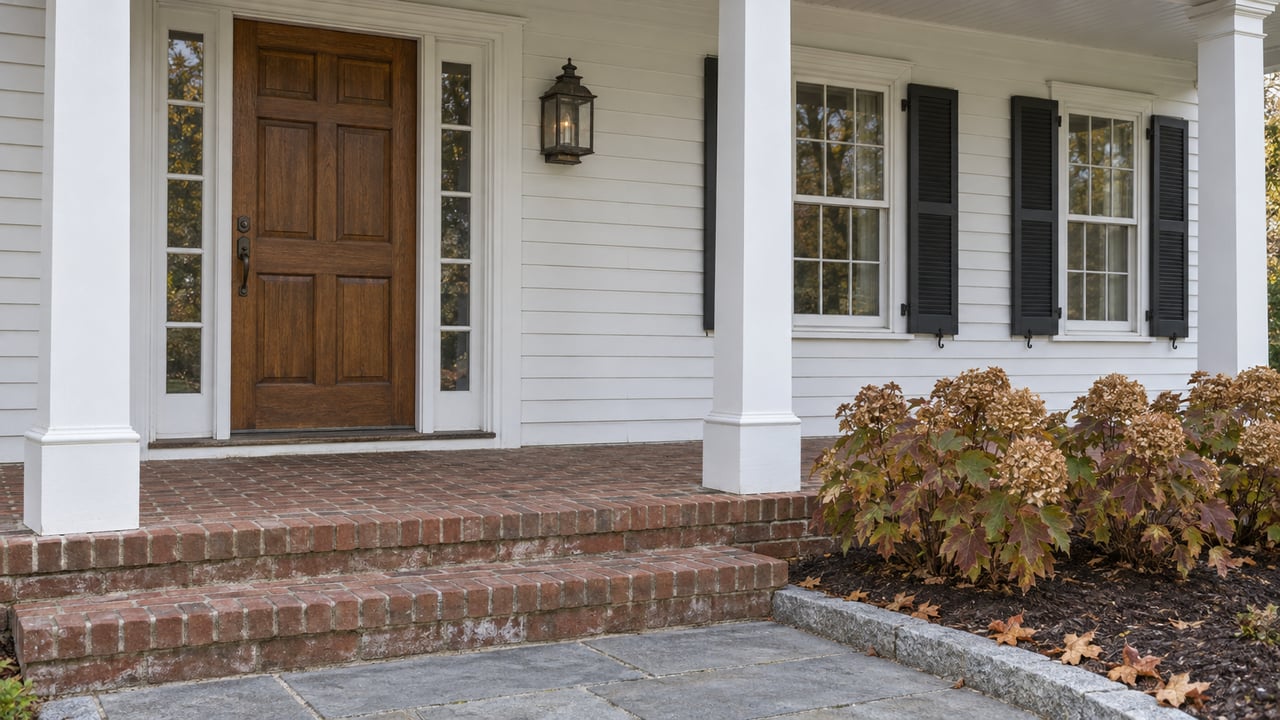
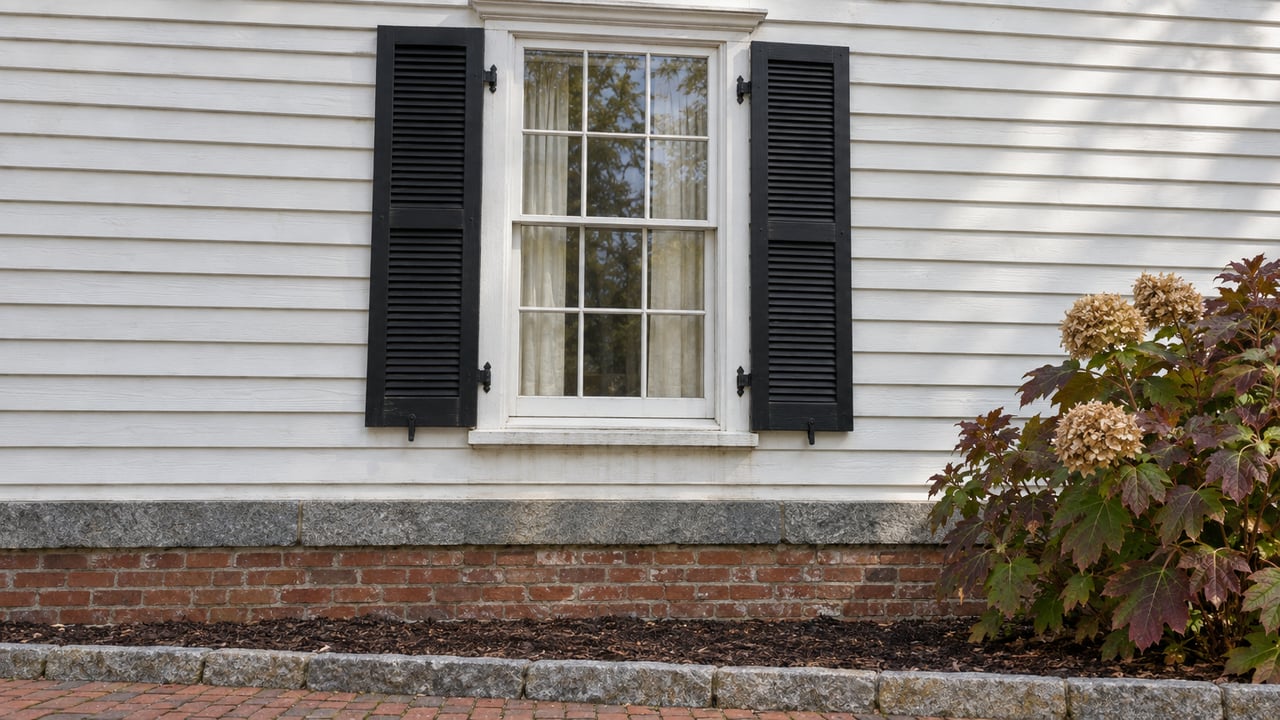
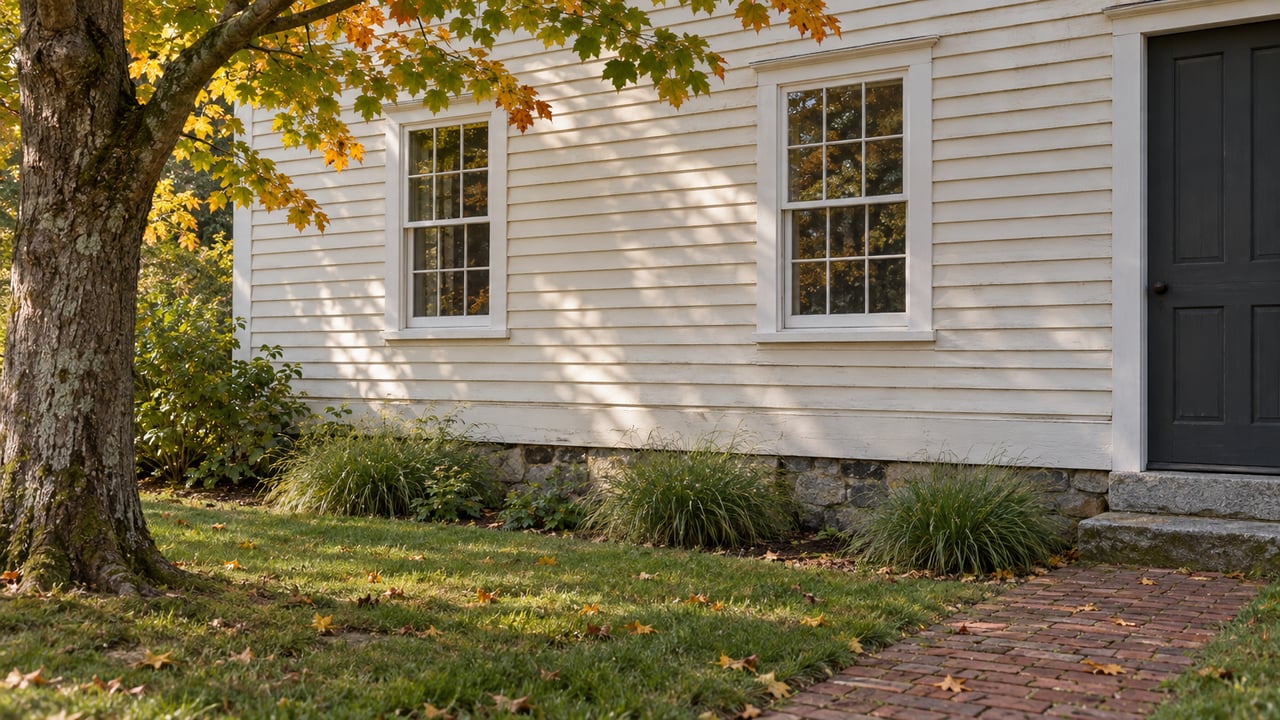
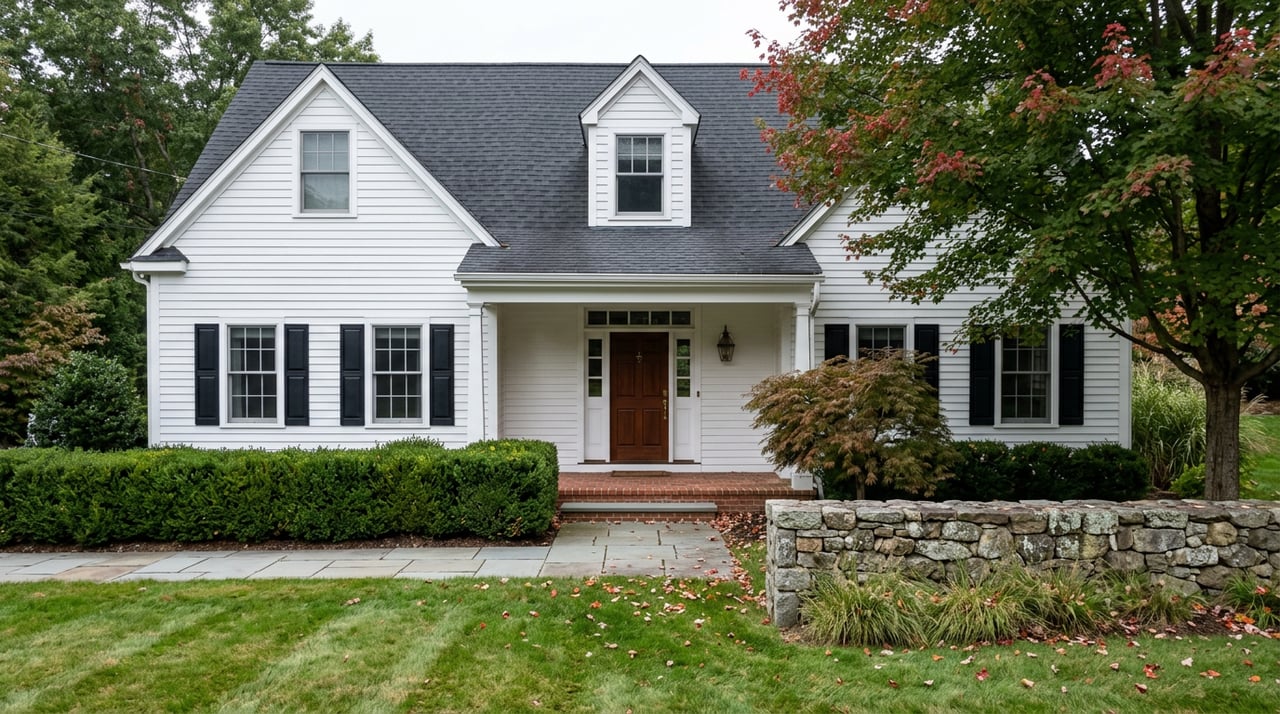
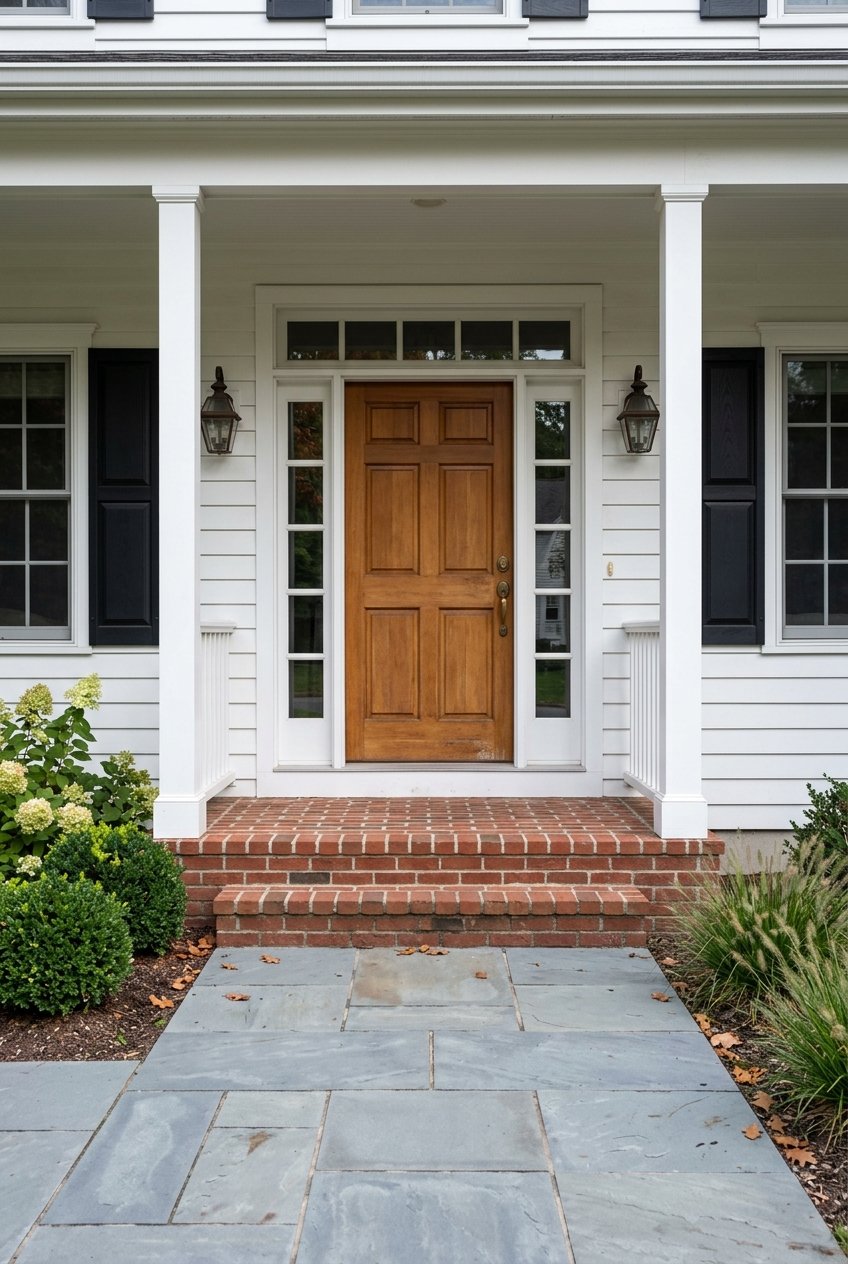
- Curb appeal improvements
- A polished, photo-ready presentation
Zillow notes that spring listings often benefit from fresh mulch, flowers, and a well-kept lawn. If you are selling in winter, exterior maintenance and safe, clear walkways become even more important.
Why staging can influence timing and price
Staging can help your home feel market-ready faster and make a stronger first impression once it goes live. That matters in a competitive market where buyers may decide quickly.
According to the 2025 NAR staging report, 83% of buyers’ agents said staging makes it easier for buyers to visualize a property as a future home. The same report found that 17% said staging can increase the dollar value offered by 1% to 5%.
The living room was reported as the most important room to stage, and the median amount spent on a staging service was $1,500. For many sellers, that means selective staging and thoughtful presentation can be a smarter investment than taking on larger projects right before listing.
Should you wait if your home is not ready?
In most cases, yes. If your home needs repairs, cleaning, or stronger presentation, it is often better to delay your launch briefly than rush into the market unprepared.
The research points to a clear theme: timing matters, but readiness matters just as much. Listing in the ideal season will not help much if photos are weak, maintenance issues are visible, or pricing misses the market.
A home that enters the market polished and properly positioned often has a better chance of attracting strong interest early. In a market like Bolton, where well-prepared homes can move quickly, that early momentum can make a real difference.
The right time depends on your goals
The best time to sell is not only about market seasonality. It also depends on your next move, your timeline, and how much preparation your home needs.
If your priority is maximizing exposure and buyer competition, spring is usually the strongest choice. If you need to move for a job, a family transition, or a purchase timeline, the right strategy may be to prepare as efficiently as possible and launch when your home is truly ready.
The good news is that Bolton’s current market remains favorable for sellers. With the right pricing, strong presentation, and a plan built around your home’s price range, you can make a smart decision whether you list this spring or a little later.
If you are thinking about selling in Bolton, a local strategy matters. A tailored review of your home, your timing, and your price bracket can help you decide whether to list now, prepare for spring, or adjust your plan for the strongest result. To book a local market consult, connect with Sandra Naroian.
FAQs
When is the best month to sell a home in Bolton, MA?
- For many sellers, the strongest timing is mid-April through late May, when spring buyer activity tends to be highest and Bolton’s market is typically more active.
Is Bolton, MA a seller’s market right now?
- Yes. The research report describes Bolton as seller-friendly, with low days on market, strong sale-to-list ratios, and many homes selling above asking price.
How early should I prepare my Bolton home for sale?
- A good rule of thumb is to start 60 to 90 days before your target listing date so you have time for repairs, decluttering, staging, photos, and final touch-ups.
Should I wait until spring to sell my house in Bolton?
- If you have flexibility, spring is often the most strategic time. But if your home is fully prepared and your personal timeline requires a different season, the right pricing and presentation still matter most.
Does staging help homes sell in Bolton, MA?
- Research suggests it can. Most buyers’ agents surveyed said staging helps buyers visualize the home, and some reported that staging can increase the dollar value of offers.
How fast are homes selling in Bolton, MA?
- Recent reports show homes moving quickly, with median days on market reported at 19 to 26 days, and average homes selling in about 28 days over the prior six months.