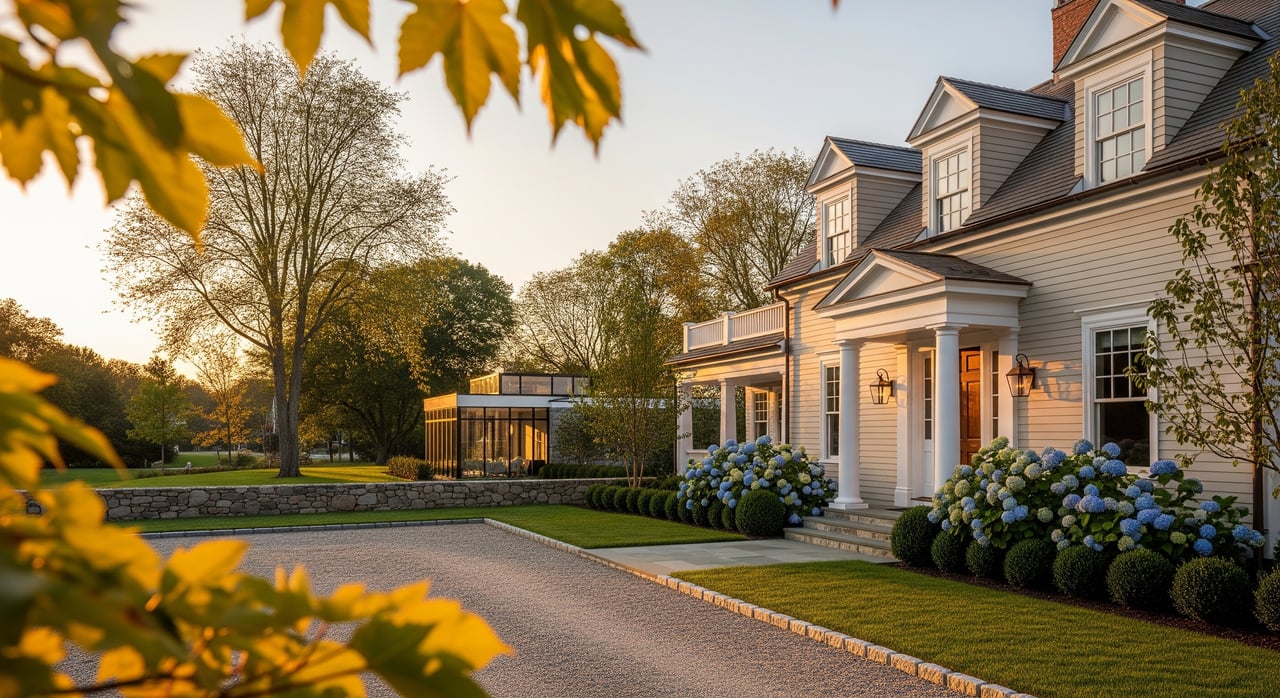
Looking for a quieter New England town that still keeps you connected to Metro-West jobs and amenities? If you picture a classic village green, historic homes, orchards, and miles of open space, Harvard, Massachusetts may fit your list. You want room to breathe without giving up access to major routes, shopping, and culture. In this guide, you’ll learn what daily life looks like, commute choices, schools, housing styles, and how Harvard compares with Cambridge, Newton, and Framingham. Let’s dive in.
Where Harvard is and what it feels like
First things first, this is Harvard, Massachusetts in Worcester County, not Harvard University in Cambridge. The town sits in the Nashoba Valley area of Metro-West and blends rural charm with suburban convenience. You’ll find a traditional town common, historic buildings, working farms and orchards, and large areas of protected conservation land.
Local governance is handled by the Town of Harvard. Zoning leans toward single-family homes and agricultural or open space, which helps preserve the small-town, low-density character.
Daily life: amenities you use
Village center basics
Harvard’s compact village center circles the town common. Expect a library, post office, churches, community gathering spaces, and a handful of small businesses like cafés or a general store. The mix of storefronts changes over time, so it’s smart to check current listings and hours when you visit.
Shopping and services nearby
You’ll find limited retail in town. Most residents drive a few miles to neighboring communities for full-service groceries, pharmacies, specialty shops, and big-box stores. Popular destinations include Littleton, Acton, Bolton, Ayer, and Framingham. Daily errands are straightforward once you map your usual routes.
Healthcare and safety
Harvard relies on regional healthcare. Nearby towns offer community hospitals and urgent care centers, and the drive is manageable for routine needs. For emergencies, police, fire, and ambulance services are provided locally. If healthcare access is a priority, plan a weekend to tour facilities in Ayer, Acton, Framingham, or Worcester and confirm drive times from specific neighborhoods.
Broadband and utilities
Broadband coverage matters, especially if you work from home. Service and speeds can vary by street and provider. Use state and federal broadband maps to check availability, then verify with local providers and neighbors. If hybrid work is your norm, make a speed test part of your due diligence during showings.
Food, farms, and local flavor
Harvard’s agricultural roots shape daily life. In season, you can visit farm stands and pick-your-own orchards for apples, berries, and pumpkins. The town calendar often features farmers’ markets, harvest events, and community fairs.
The Fruitlands Museum, a historic and cultural site on a scenic hilltop, is a local highlight. You can enjoy art and history exhibits, family programs, and trail networks that overlook fields and woodlands. It’s a favorite spot for weekend walks and low-key cultural outings.
Schools and learning
Harvard Public Schools serve local students within a small district setting. Families often appreciate the scale and community involvement that come with a smaller system. Because programs evolve, you should review the district website for current grade configurations and offerings.
If you want data, the Massachusetts Department of Elementary and Secondary Education provides district and school profiles with MCAS results, enrollment trends, and student-to-teacher ratios. For a richer picture, speak with school leaders or parent organizations, and consider a daytime visit.
You’ll also find regional private and parochial options in nearby towns like Littleton, Acton, and Framingham. The mix of public and private choices gives you flexibility to match learning style, commute, and extracurricular interests.
Getting around and commute options
Driving
Harvard residents typically drive for work and errands. Route 2 provides east-west access, with connections to I-495 and the Massachusetts Turnpike for longer trips. Commute times vary with traffic and weather. As a general range, plan on about 35 to 60 minutes to Cambridge, 45 to 75 minutes to Boston, 20 to 40 minutes to Framingham, and 35 to 60 minutes to Worcester. Your actual time depends on time of day and your start and end points.
Commuter rail
While Harvard does not have an MBTA subway stop, you can use nearby commuter rail stations. The Fitchburg Line serves South Acton, Littleton/495, and Ayer. The Worcester Line serves Framingham. Many commuters pair a short drive and station parking with rail into job centers. Schedules and parking conditions change, so check current timetables before you plan a routine.
Hybrid and remote work
Remote and hybrid schedules are common. If you work from home several days a week, verify broadband speeds and cell coverage at a specific property. A dedicated workspace with reliable internet can make Harvard’s quieter setting a real advantage.
Housing: what you will find
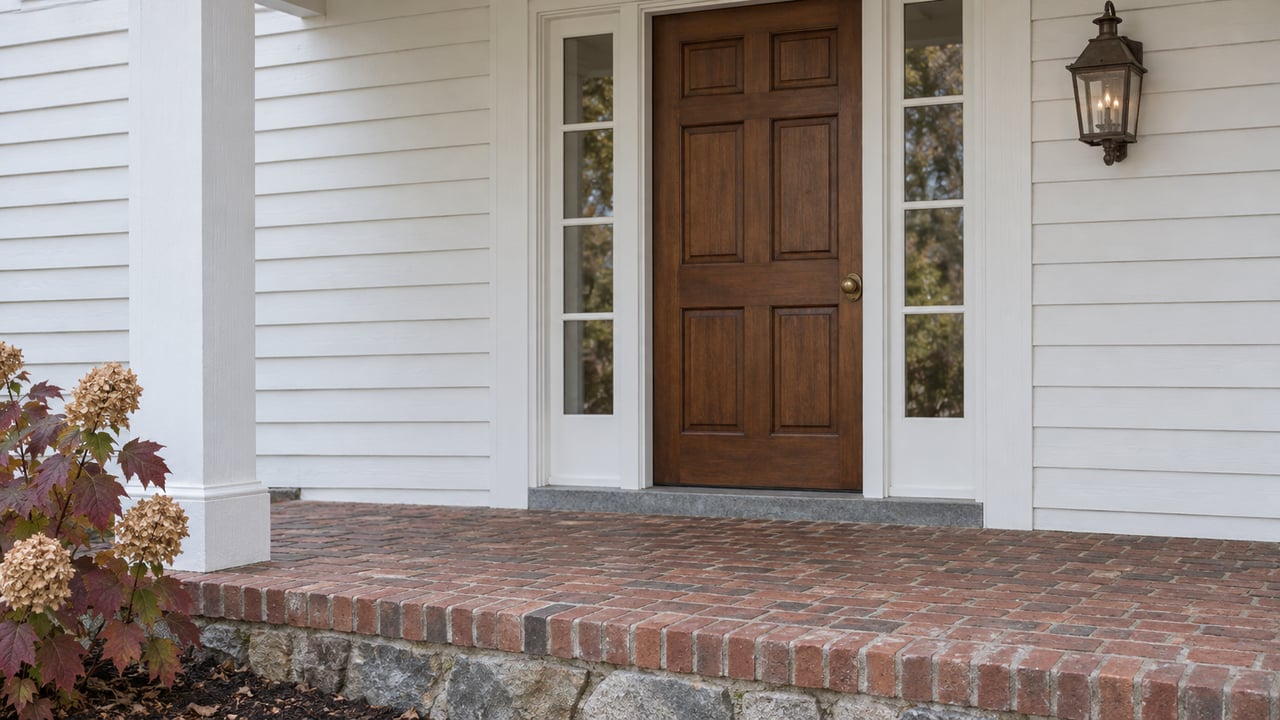
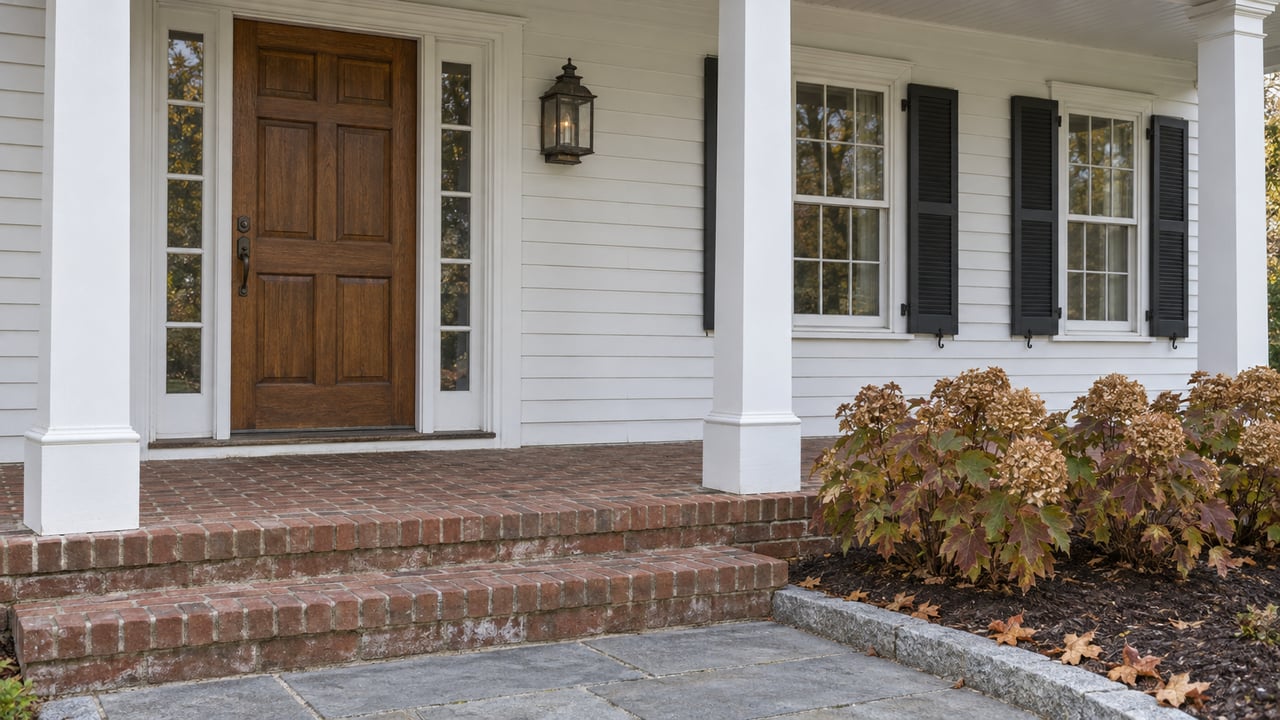
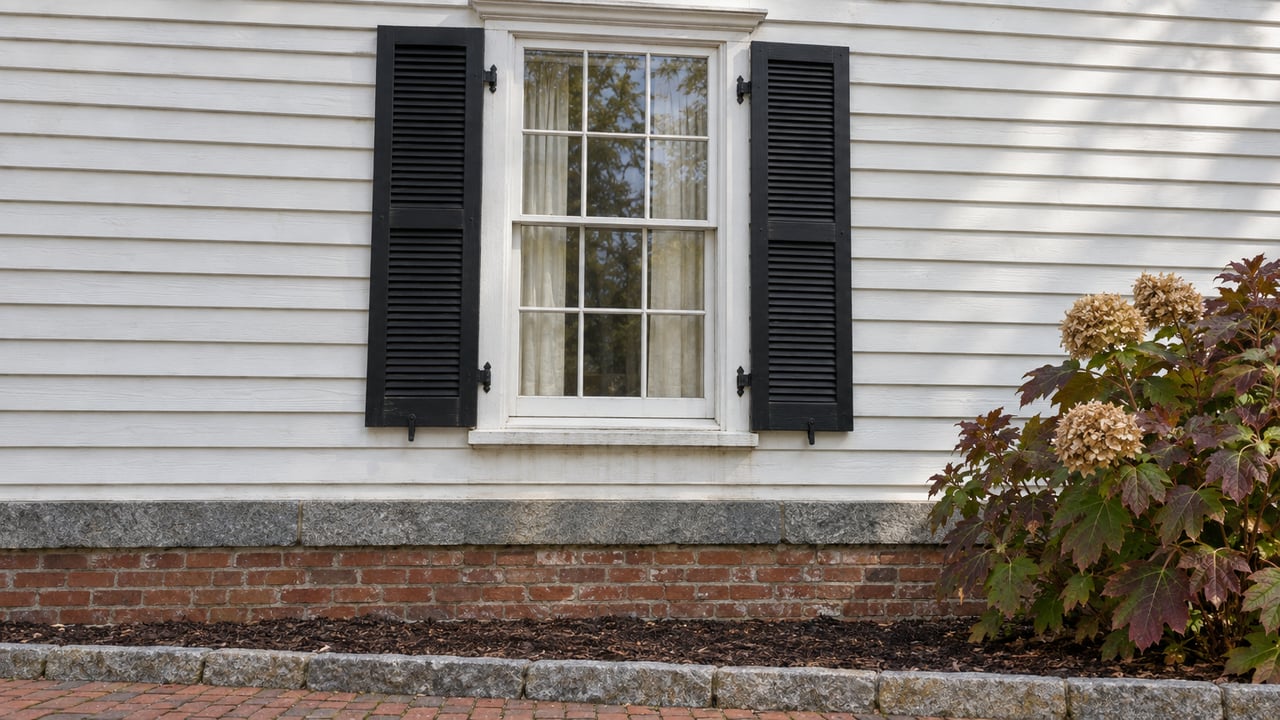
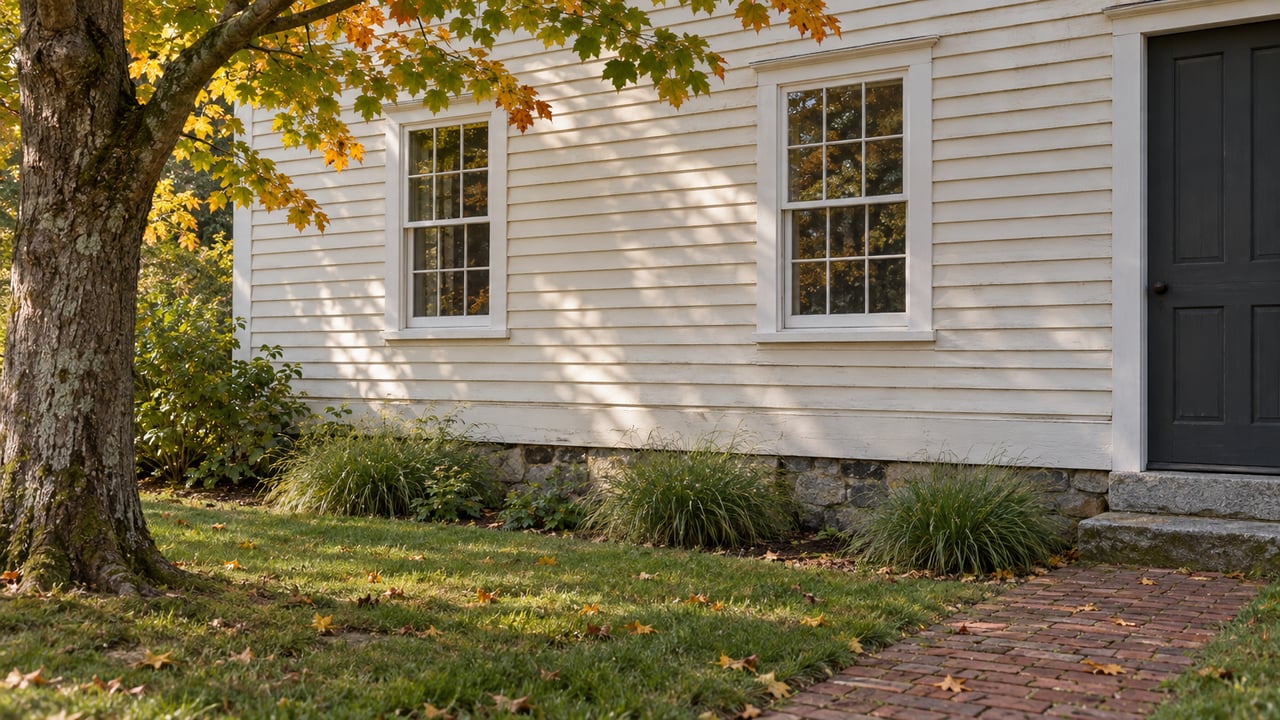
Harvard’s housing stock is predominantly single-family homes on medium to large lots. You’ll see classic New England styles like colonials, capes, and farmhouses, including historic properties near the village center. Agricultural parcels and hobby farms are part of the local mix. Multifamily buildings and condominium developments are less common than in denser suburbs.
Zoning favors lower density and often requires larger minimum lot sizes. If you plan an accessory apartment, home-based business, or agricultural use, review the town zoning bylaw and speak with the building department to understand what is allowed.
Market inventory in small towns can be tight. Well-located homes close to the center or with strong commuter access often draw attention. Property taxes and operating costs vary by home and lot size, so budget time to review the assessor’s data and recent tax bills for a realistic monthly picture.
Outdoor recreation and open space
If you love the outdoors, Harvard makes it easy to get outside. Town forests, conservation lands, and local trails offer walking, running, snowshoeing, and birding. The Fruitlands Museum adds scenic trails with cultural programming. You’ll also find ponds and nearby lakes used for seasonal recreation. Always confirm public access points and local rules before you go.
Regional destinations are close enough for day trips. Wachusett Mountain offers skiing and hiking, and state parks and wildlife areas around Metro-West provide more miles of trails and water access.
Harvard vs. Cambridge, Newton, and Framingham
Here’s how Harvard compares with three Metro-West hubs many buyers know:
- Urban vs. rural-suburban: Cambridge and Newton are dense and transit-rich with walkable neighborhoods and immediate access to major institutions. Harvard leans rural-suburban with more private outdoor space, fewer walkable retail options, and a calmer pace.
- Schools and services: Cambridge and Newton operate larger public school systems with wide program menus and more private school choices nearby. Harvard’s smaller district offers a closer community feel with a more intimate scale of extracurriculars.
- Housing and costs: Cambridge and Newton tend to have higher list prices per square foot and a larger share of condos and townhomes. Harvard typically offers single-family homes on larger lots, including historic and agricultural properties.
- Commute and transit: Cambridge and Newton excel in MBTA access. Harvard is car-forward with commuter rail available in neighboring towns. If you rely on transit daily, factor in station parking and transfer times.
Is Harvard right for you?
Choose Harvard if you want a small-town feel with meaningful amenities: a real village center, seasonal farm life, trails and conservation land, and regional connectivity via Route 2 and nearby rail stations. You sacrifice some walkable retail and transit convenience, but you gain space, quiet, and a strong sense of place.
If you are weighing a move, a local advisor can help you test-drive commutes, verify school details, and assess internet coverage street by street. Our team routinely helps buyers and sellers across Metro-West and North-Central Massachusetts navigate these trade-offs with clarity and confidence.
Ready to explore homes or get a market read on your current property? Book a local market consult with Sandra Naroian to plan your next step.
FAQs
How long is the commute from Harvard to Cambridge?
- Expect about 35 to 60 minutes by car depending on traffic. Many commuters also drive to South Acton, Littleton/495, or Ayer for the Fitchburg Line and continue by train.
What are Harvard Public Schools like?
- Harvard is a small district. For current programs, enrollment, and performance data, review the district website and the Massachusetts DESE profiles, and plan a school visit.
Where do you shop for groceries near Harvard?
- Most residents use nearby towns such as Littleton, Acton, Bolton, Ayer, or Framingham for full-service groceries, pharmacies, and big-box retail.
Does Harvard have reliable broadband for remote work?
- Coverage varies by street and provider. Check state and federal broadband maps, confirm with local providers, and run a speed test at any home you are considering.
What kinds of homes are common in Harvard?
- Single-family colonials, capes, and farmhouses on larger lots are typical. You’ll also find some historic properties and occasional agricultural parcels. Condos are less common.
Are there parks and trails in Harvard?
- Yes. The town maintains conservation lands and trails, and the Fruitlands Museum offers scenic routes. Confirm access points and rules before you head out.